Open help menu
Live Webinar

From Autistic Experience to Clinical Adaptation: Neurodivergent-Informed Care Across Therapy Models

|

Information

Date & Time

Description

This course examines autistic and neurodivergent clinical experiences through a historical and contemporary lens to illuminate how traditional therapy models have often failed to align with neurodivergent neurobiology. Participants will explore key trends that have shaped autistic and neurodivergent interactions with mental health systems and consider how these patterns inform the need for affirming, collaborative approaches to care (Anderberg et al., 2017; Jones, 2024; Maddox et al., 2020). The session introduces neurodivergent-informed care as a framework for addressing model mismatch in therapy, emphasizing ethical practice, accessibility, and treatment effectiveness. Attendees will also learn practical, generalizable adaptations to therapeutic structure, pacing, and communication that support engagement and responsiveness for neurodivergent clients. By centering lived experience and neurobiological diversity, this presentation supports clinicians in refining practice approaches that are respectful, effective, and aligned with neurodivergent clients’ needs.

Educational Goal

The goal is to help clinicians enhance their autistic and neurodivergent informed care practices. A basic level of knowledge around autism and neurodivergence is preferred to get the most out of this intermediate course.

Learning Objectives

Participants will be able to:

  • Identify important historic and current trends in autistic and neurodivergent clinical experiences to best conceptualize affirming treatment practices.

  • Explain how neurodivergent-informed care addresses model mismatch in therapy and supports ethical, accessible, and effective treatment for neurodivergent clients.

  • Apply general neurodivergent-informed adaptations to therapeutic structure, pacing, and communication to better align treatment with neurodivergent clients’ neurobiology.

Target Audience

  • Addiction Professional
  • Counselor
  • Marriage & Family Therapist
  • Psychologist
  • Social Worker

Presenters

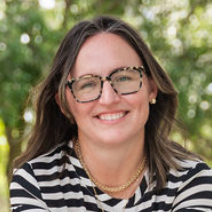
Ali Cunningham Abbott, PhD, LMHC, QS has worked in higher education and mental health settings for the last 18 years. She is the Program Director & an Associate Professor in the CACREP-accredited Clinical Mental Health Counseling program at Lynn University in Boca Raton, Florida. Prior to academia, she worked at Florida Atlantic University as the Assistant Director for the Center for Autism & Related Disabilities (CARD) where she provided individual, couples, and family with direct support and consultative services to the community for nearly 10 years. She has been in counseling & consultation private practice for the past 9 years and serving as the Senior Clinical Advisor to the Neurodivergent Empowerment & Support Transformational (NEST) program at Family First Adolescent Services. Cunningham has presented on and published a book, book chapters and academic articles related to various topics including autism treatment & advocacy, mental health first aid, counselor career preparation, and on advocacy for BIPOC, queer & trans communities.
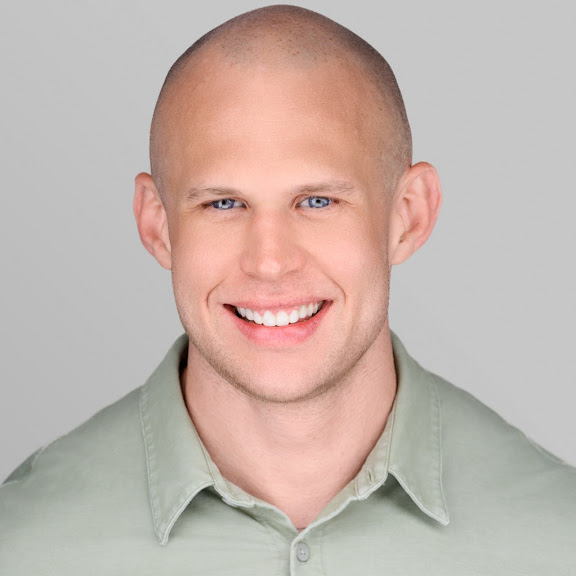
Dr. Tony Meiners is a licensed clinical psychologist who has spent the last decade of his career working in residential, PHP, IOP, and outpatient levels of care. He brings a holistic treatment methodology to The Neurodivergent Collective to promote an integrative approach in treating mental health conditions. As the Clinical Director, Dr. Meiners utilizes his neurodivergent-specific training in conjunction with knowledge of neurobiological and cognitive treatment modalities to help heal clients. On his philosophy at The Neurodivergent Collective, Dr. Meiners says, “At the heart of neurodivergent-affirming treatment is the celebration of cognitive and neurological diversity as a natural and valuable aspect of human variation. This perspective acknowledges that conditions like autism, ADHD, dyslexia, and other neurological differences are not merely deficits but unique ways of experiencing and interacting with the world. Embracing neurodivergence means recognizing the strengths, talents, and perspectives that come with these differences and fostering an environment that supports and validates them.” UNIVERSITIES + DEGREES: [Doctor of Applied Clinical Psychology, Psy.D.] The Chicago School of Professional Psychology. [Master of Social Work, Adult Mental Health and Wellness Concentration] University of Southern California. [Bachelor of Psychology] Maryville University. CLINICAL SPECIALIZATION: His areas of specialty include bottom-up and top-down conjunctive treatment by combining somatic and/or experiential based interventions with post-modern cognitive therapeutic modalities. His work centers around identity development for individuals that exist in constructs outside societal expectations. In addition, queer-affirming and neurodivergent-affirming approaches to the treatment of trauma are his current areas of focus and treatment. TRAININGS: Trauma Resiliency Model; Eye Movement Desensitization and Reprocessing; Narrative Therapy; Holographic Reprocessing; Safe and Sound Protocol

Financially Sponsored By

  • BrentCare Behavioral Health