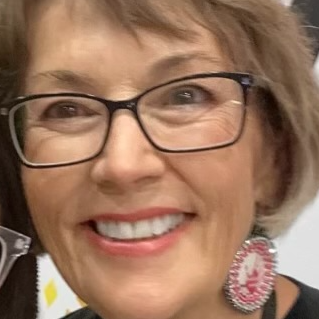
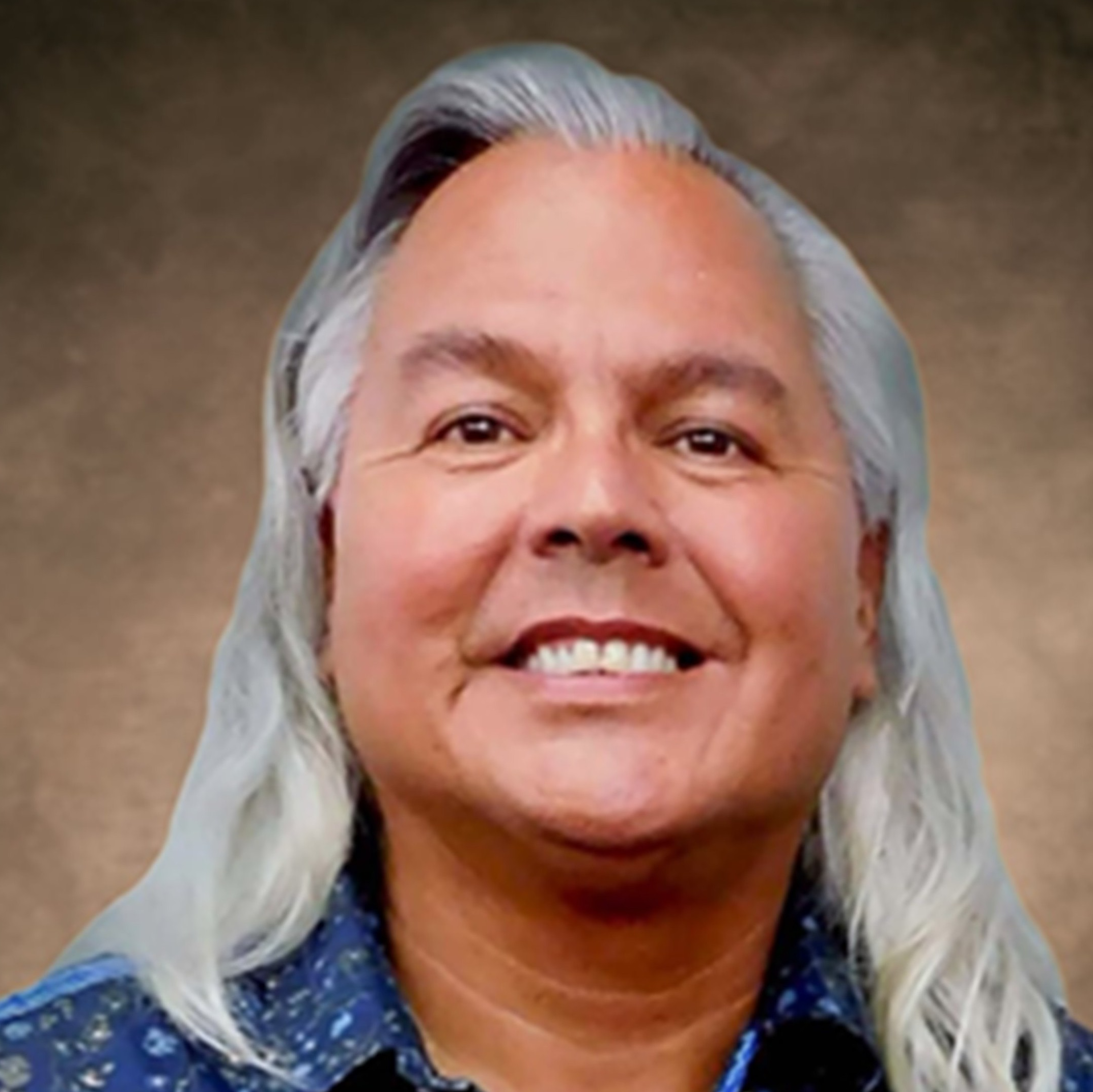
Iva GreyWolf, Ph.D. is a licensed clinical psychologist of mixed heritage, Scots-Irish, German, French, Assiniboine and Anishinabe. She is an American Psychological Association Fellow, Division 35 Society for the Psychology of Women. Dr. GreyWolf is committed to amplifying the voices of the marginalized and working toward a socially just future.
Dr. GreyWolf has over 40 years of experience delivering behavioral health services primarily to Native people in rural and remote areas. She is a trainer/consultant/storyteller nationally and internationally on a variety of behavioral health topics.
Dr. GreyWolf has served in a number of leadership roles regionally and nationally. Currently, as a member of the Task Force on Missing & Murdered Indigenous Relatives (MMIR) for the American Psychological Association Division 35, Society for the Psychology of Women. She was also a member of the APA Presidential Task Force on Decolonial & Liberation Psychologies. Dr. GreyWolf is past-President of the Society of Indian Psychologists. She was the founding member of APA Division 35 Section 6, Alaska Native/American Indian/Indigenous Women’s section.
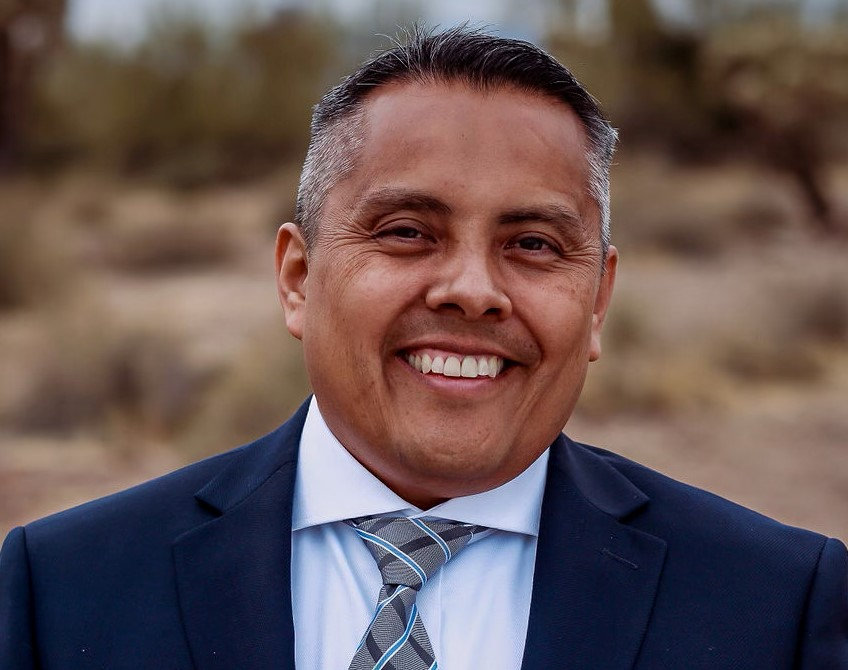
Mark Pooley is the Director, Investigative Support for the Center for Human Identification (CHI)
at the University of North Texas, Health Science Center. In this position, he assists law
enforcement and medical examiners in identifying unidentified human remains and missing
person’s cases through DNA technologies. He joined CHI in March 2023.
In August of 2020, Mark Pooley retired as a Sergeant from the Tempe Police Department in
Arizona. During his tenure in law enforcement, he held several detective positions in Robbery,
Joint Terrorism Task Force (JTTF/FBI), Homicide/Missing Persons and was a supervisor in the
Professional Standard’s Bureau. Mr. Pooley who is Navajo and Hopi, was also a tribal
prosecutor for the Salt River Pima-Maricopa Indian Community where he dealt with criminal
and civil issues within the tribal court.
In 2021, Mr. Pooley started a 501c3 nonprofit called “Native Search Solutions”. The
organization’s mission was to finding Missing & Murdered Indigenous People (MMIP) on and off
the reservation(s) by using technology and other resources.
In 2022, Mr. Pooley was the inaugural Tribal Fellow for the National Center for Missing &
Exploited Children (NCMEC), where he supported outreach to Indigenous communities.
Mr. Pooley holds a Masters of Education, Counseling-Human Relations with Distinction, from
Northern Arizona University, and a Bachelor of Arts, Political Science, from Brigham Young
University.
Facilitated by Maria Crouch, PhD
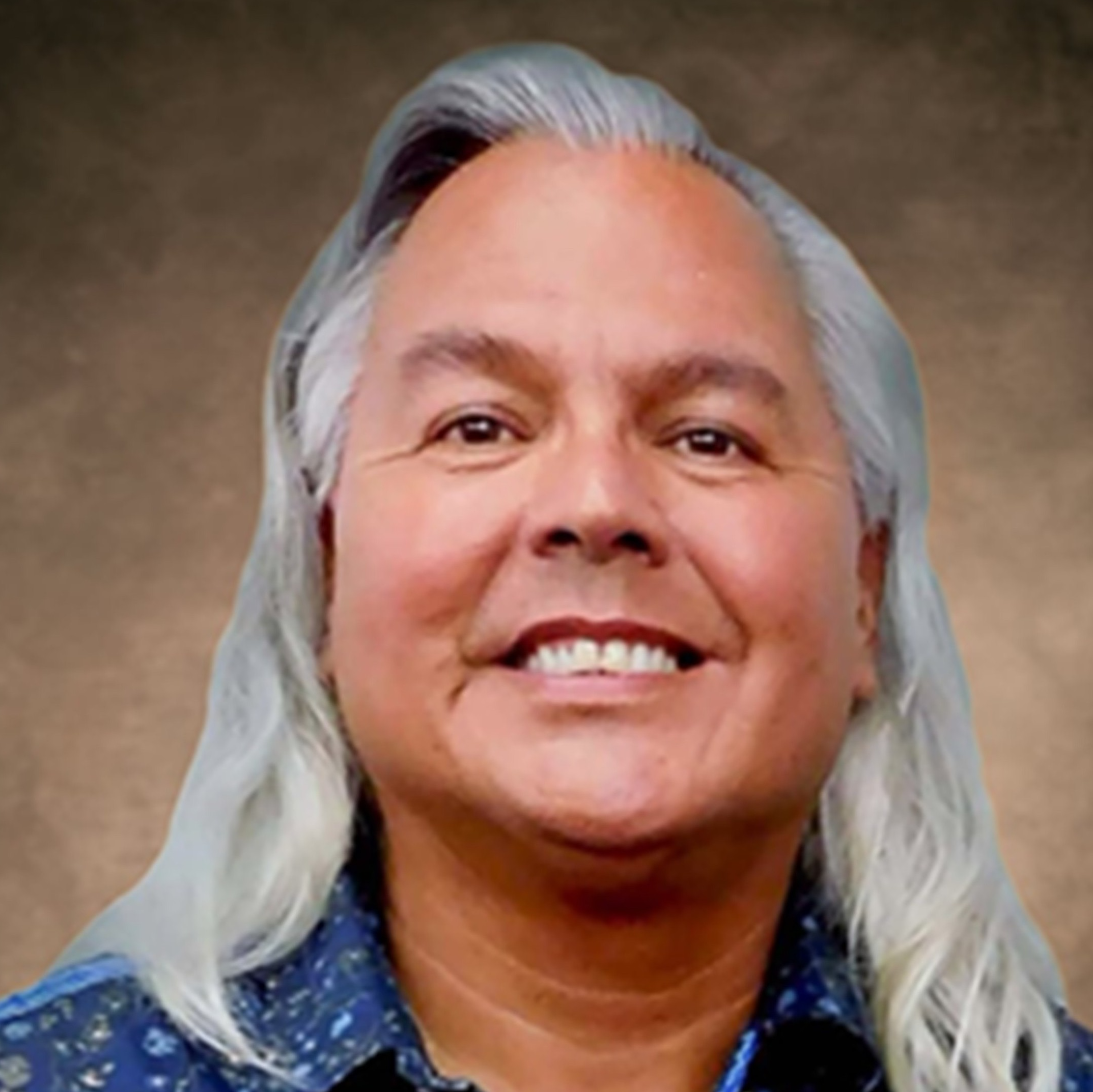
Cerynn Desjarlais (Ph.D., Counseling Psychology) is a mixed-race, Indigenous, Métis Cree scholar from Alberta, Canada; she is the Director of Online Counseling Graduate Programs at the University of North Dakota where she currently serves as a Clinical Assistant Professor. Cerynn has a Ph.D. in Counseling Psychology from UND, and her research, teaching, and service predominantly focus on Indigenous wellbeing and belonging, social justice advocacy in the area of Missing and Murdered Indigenous relatives, and multicultural competence in higher education.
Royleen J. Ross, PhD, owner and sole consultant of Pretty Fire Consulting LLC, serves as an APA guest liaison on the American Academy of Pediatrics Committee on Native American Child Health, co-chair of APA Division 35/45 Missing and Murdered Indigenous Relatives Task Force, and member of the APA Committee on Rural Health. She is a past president of APA Division 45, the Society for the Psychological Study of Culture, Ethnicity and Race. Dr. Ross has published on child maltreatment, health equity and depression. Her work focuses on tribal, state, and federal advocacy, policy change and social justice.
Aaron Payment, EdD has served in numerous federal Tribal Advisories including: HHS Secretary Tribal Advisory, NIH Tribal Advisory, NIH Director's Advisory, Tribal Interior Budget Council, SAMSHA Tribal Advisory, HRSA Tribal Advisory, Health Research Advisory Council, and in a Presidential Appointment on the National Advisory Council on Indian Education. Dr. Payment also served on the National Negotiated Rule Making Team for the Every Student Succeeds Act.