Open help menu
Live Webinar

Evidence-Based Treatment Approaches

|

Pricing

Information

Date & Time

Description

This workshop provides a comprehensive overview of evidence-based and emerging treatments for alcohol use disorders, including psychosocial interventions such as CBT, DBT, MI, family/couples therapy, and contingency management. Participants will explore first-line pharmacotherapies for AUD and strategies for off-label or integrated treatment of co-occurring substance use disorders, alongside practical approaches to alcohol withdrawal and detoxification. The curriculum contrasts harm reduction and abstinence models and introduces cutting-edge frontiers in treatment, such as orexin-targeted agents, GLP-1 therapies, and neuromodulation. Resources like the NIAAA Alcohol Treatment Navigator will support clinical decision-making.

Learning Objectives

Participants will be able to:

  • Compare the mechanisms, indications, and clinical applications of key psychosocial treatments for alcohol use disorder (AUD), including cognitive behavioral therapy (CBT), dialectical behavior therapy (DBT), motivational interviewing (MI), family/couples therapy, and contingency management.

  • Select appropriate first-line pharmacotherapies for AUD (e.g., naltrexone, acamprosate) based on patient characteristics, treatment goals, and evidence-based guidelines.

  • Apply evidence-based strategies for the clinical management of alcohol withdrawal symptoms across different levels of care.

  • Integrate psychosocial therapies, pharmacologic treatments, and withdrawal management into individualized treatment plans for patients with AUD and co-occurring substance use disorders.

  • Differentiate harm reduction and abstinence-based treatment models and determine when each approach may be appropriate for specific patient populations.

  • Identify emerging and investigational treatment approaches for AUD, including orexin-targeted agents, GLP-1 receptor agonists, and neuromodulation techniques.

  • Utilize clinical decision-support resources, such as the NIAAA Alcohol Treatment Navigator, and patient-facing resources, such as the NIAAA Rethinking Drinking website, to guide treatment selection and referral.

Educational Goal

The educational goal of this workshop is for participants to gain a practical, evidence-based framework for treating alcohol use disorder across the continuum of care, integrating psychosocial therapies, pharmacologic options, and withdrawal management. They will also be equipped to individualize treatment using harm reduction or abstinence models while incorporating emerging therapies and trusted resources to optimize outcomes.

Target Audience

  • Addiction Professional
  • Counselor
  • Marriage & Family Therapist
  • Psychologist
  • Social Worker

Presenters

Joseph Schacht, Ph.D. is an Associate Professor in the Department of Psychiatry at the University of Colorado School of Medicine and Co-Director of the Division of Addiction Science, Prevention, and Treatment, where he directs the Translational Addiction Imaging Laboratory. He did his undergraduate work at the University of Michigan and received a dual Ph.D. in Clinical Psychology and Neuroscience from the University of Colorado, Boulder. Dr. Schacht completed his predoctoral internship and an NIH-funded post-doctoral fellowship at the Medical University of South Carolina. Dr. Schacht’s research uses genetics, functional neuroimaging, and experimental pharmacology to evaluate novel medications for the treatment of alcohol and substance use disorders. He has published over 50 peer-reviewed scientific papers and served as principal investigator on over $15M of NIH-funded grants. His work has been continuously NIH-funded since 2006 and has also been supported by philanthropic foundations and industry.
Brian Kiluk, PhD
Dr. Kiluk is Associate Professor of Psychiatry at the Yale School of Medicine and a licensed clinical psychologist conducting research in the field of addiction treatment. His research is focused on the development, evaluation, and enhancement of behavioral therapies for substance use disorders, which includes work to optimize clinical trial methods for demonstrating treatment efficacy. He is Principal Investigator of multiple NIH-funded research grants through the National Institute on Drug Abuse and the National Institute on Alcohol Abuse and Alcoholism, and his work has been featured at national scientific meetings. As an expert in cognitive behavioral therapy for substance use disorders, Dr. Kiluk also consults with treatment facilities across the U.S. to provide workshop training, as well as ongoing fidelity monitoring and coaching.
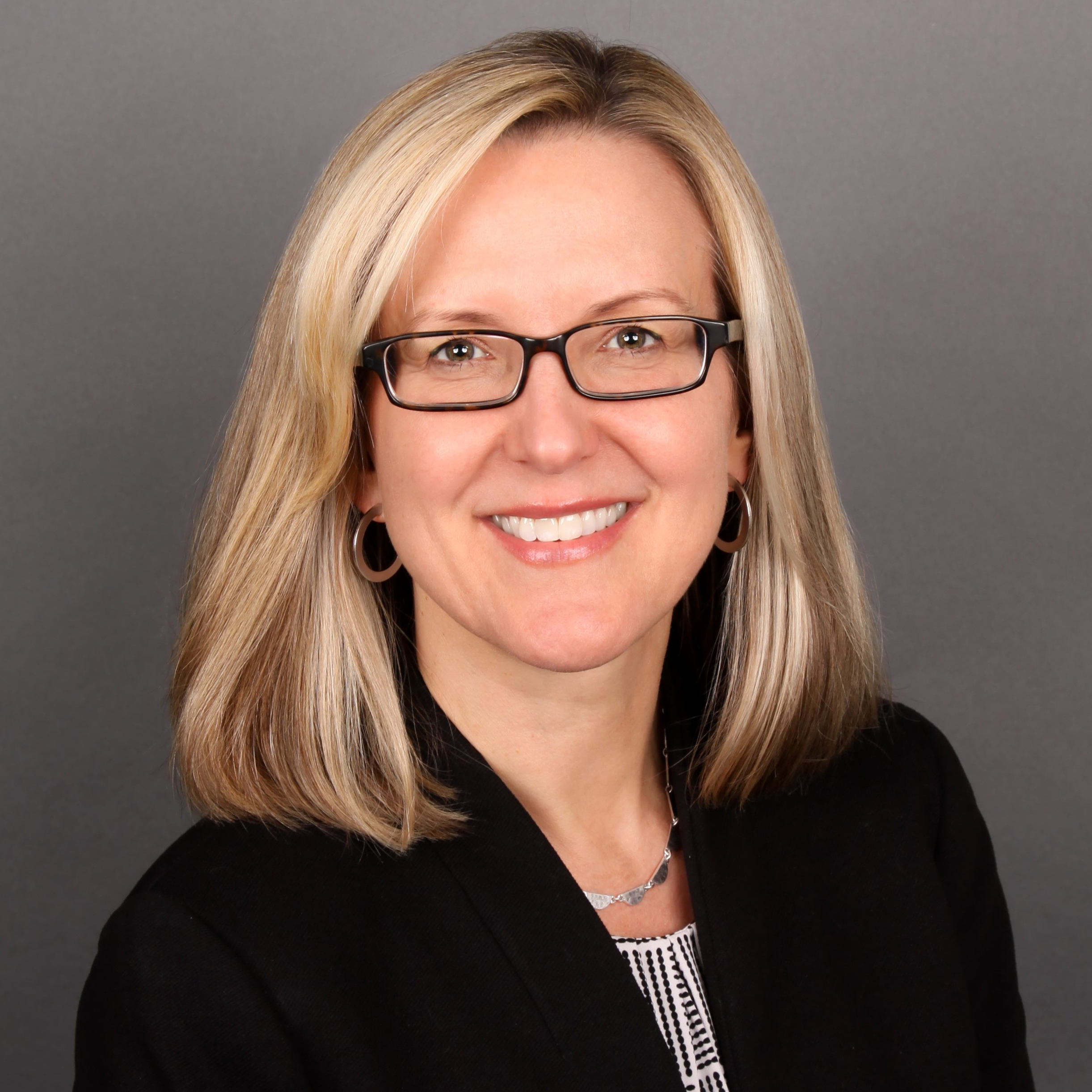
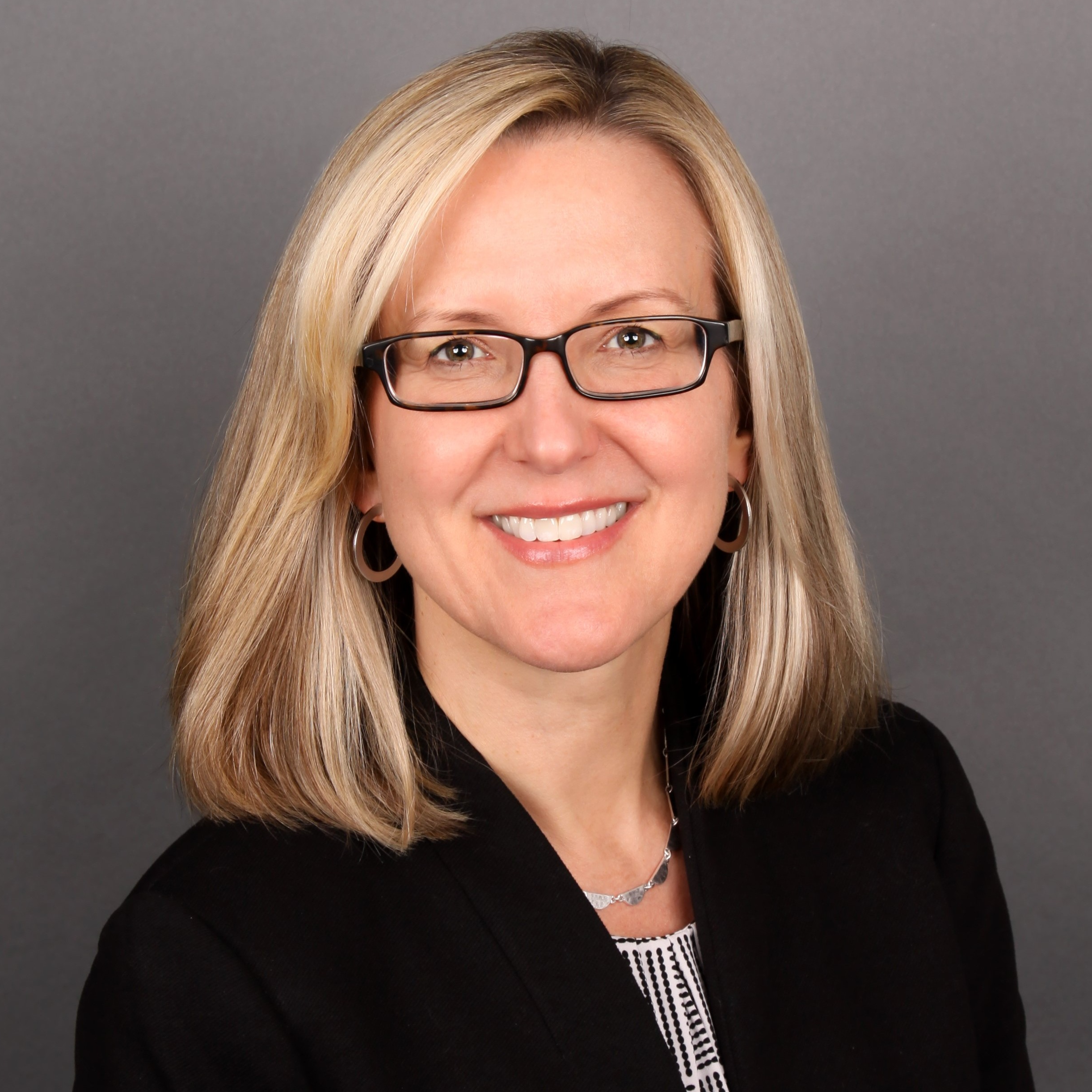
Sudie E. Back, PhD, is a Professor in the Department of Psychiatry and Behavioral Sciences and the Thurmond Wellness Endowed Chair at the Medical University of South Carolina (MUSC). She is a licensed clinical psychologist and serves as a Staff Psychologist at the Ralph H. Johnson Veterans Affairs (VA) Medical Center in Charleston, South Carolina. For more than 25 years, Dr. Back’s work has been continuously supported by funding from various agencies including the National Institutes of Health (NIH), the VA, the Department of Defense, and the Fulbright Program. Her research focuses on advancing the treatment of alcohol and other substance use disorders (SUDs), particularly among individuals with co-occurring posttraumatic stress disorder (PTSD). She and her colleagues developed a behavioral treatment for co-occurring SUDs and PTSD that is recognized as a first-line, evidence-based treatment by the American Psychological Association. Dr. Back’s research spans behavioral, pharmacological, and integrated treatment approaches. In addition to research, she is committed to mentorship and training, serving as Director of a long-standing NIH-funded research training program focused on substance use disorders at MUSC.
William W. Stoops is the Dr. William R. Willard Professor in Behavioral Science, with appointments in the departments of Behavioral Science, Psychiatry and Psychology, as well as the Center on Drug and Alcohol Research at the University of Kentucky (UK). He is the founding director of the UK Clinical Research Support Office, director of the Regulatory Knowledge and Support Core in the Center for Clinical and Translational Science and associate director for clinical research in the Substance Use Research Priority Area. He is also the current Treasurer of the College on Problems of Drug Dependence and the Association for Clinical and Translational Science. As a principal investigator, he has been continuously funded by the National Institutes of Health since 2008. Dr. Stoops’ research uses human laboratory and clinical trial methods to understand the behavioral and pharmacological factors contributing to substance use disorder, including alcohol use disorder, with an aim of advancing novel pharmacological and behavioral interventions. His research has been funded by the National Institute on Drug Abuse, the National Institute on Alcohol Abuse and Alcoholism, the National Institute for General Medical Sciences, and the National Cancer Institute.

Financially Sponsored By

  • Research Society on Alcohol