Open help menu

Pricing

Information

Date & Time

Location

Description

The military community faces stress and adverse conditions in operations in global engagements around the world. This presentation will explore factors that offer ways for service members and/or spouses to enhance their well-being while in the military and beyond. The first speaker will discuss factors for leaders in the military community that may sustain well-being during the current events. The second speaker will focus in on personality hardiness as a stress resiliency resource, including practical steps that individuals and leaders can take to develop the mindset and skills associated with hardiness.

Educational Goal

The educational goal of this workshop is to strengthen participants’ understanding of factors that support well-being among military leaders, service members, and their families, with particular attention to psychological hardiness as a resource for managing stress. Participants will gain knowledge to inform consultation with leaders and efforts to support healthy coping and resilience during military service and beyond.

Learning Objectives

Participants will be able to:

  • Describe at least two important factors military leaders associate with well-being.

  • Identify three hardiness mental skills and coping strategies that protect against stress-related breakdowns in health and performance.

  • Formulate three evidence-based steps to advise military leaders on increasing hardiness in the military workforce.

Target Audience

  • Addiction Professional
  • Counselor
  • Marriage & Family Therapist
  • Psychologist
  • Social Worker

Presenters

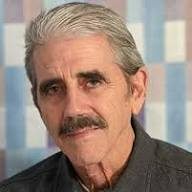
Colonel (Retired) Paul T. Bartone, PhD, is an Adjunct Faculty member in the Department of Psychiatry at the Uniformed Services University of the Health Sciences and a former Professor and Senior Research Fellow at the National Defense University. He earned his Master of Arts and Doctor of Philosophy in Psychology and Human Development from the University of Chicago and a Bachelor of Arts in Psychology from the University of Massachusetts, Boston. A retired Colonel in the U.S. Army Medical Service Corps, Dr. Bartone served as the Research Psychology Consultant to the U.S. Army Surgeon General, Assistant Corps Chief for Medical Allied Sciences, and Director of the Leader Development Research Center at the U.S. Military Academy, West Point. He is a past president of the Society for Military Psychology (APA Division 19) and a Fulbright Scholar whose career spans more than three decades of specialized research, teaching, and publication on psychological hardiness, stress resilience, leader development, and suicide prevention in high-stress operational environments.
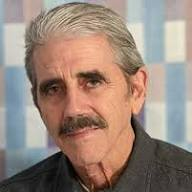
Stephen Bowles, PhD, ABPP, MAPP, MSW, is a Visiting Research Fellow at the National Defense University, Institute for National Strategic Studies (INSS) in Washington, DC, and an Assistant Clinical Professor of Medical and Clinical Psychology at the Uniformed Services University of the Health Sciences in Bethesda, MD. A retired Colonel in the U.S. Army, Dr. Bowles graduated from The Eisenhower School for National Security and Resource Strategy war college. He earned his Ph.D. in Psychology from the California School of Professional Psychology at Alliant International University, a Master of Applied Positive Psychology (MAPP) from the University of Pennsylvania, a Master of Social Work (MSW) from Washington University in St. Louis, and completed a clinical psychology internship at William Beaumont Army Medical Center followed by a postdoctoral fellowship in health psychology at Tripler Army Medical Center. Dr. Bowles is board certified in Clinical Health Psychology by the American Board of Professional Psychology (ABPP) and is a Fellow of the American Psychological Association (Divisions 13 and 19), the American Academy of Clinical Health Psychology, and the National Academy of Practice in Psychology. He is the former President of both the Society for Military Psychology and the District of Columbia Psychological Association, a former member of the APA Council of Representatives, and co-editor of the *Handbook of Military Psychology: Clinical and Organizational Practice.

Financially Sponsored By

  • APA Division 19: Society for Military Psychology