Open help menu
Live Webinar

Eating Disorders and Neurodivergence: Engaging with Autistic and ADHDer Clients

|

Information

Date & Time

Learning Objectives

Participants will be able to:

  • Identify at least three factors that may influence engagement for Autistic and/or ADHDer individuals receiving treatment for eating disorders, including communication, transitions, sensory experiences, and the physical environment.

  • Recognize at least three potential indicators of masking and describe how masking may affect communication, engagement, and participation in eating disorder treatment.

  • Apply at least two neuro-affirming strategies to support engagement and increase accessibility in daily practice with Autistic and/or ADHDer individuals.

Educational Goal

The educational goal of this workshop is to increase participants’ knowledge of factors that influence engagement among Autistic and ADHDer individuals receiving eating disorder treatment and to develop practical skills and strategies for creating neuro-affirming environments.

Description

This presentation will examine engagement practices when working with Autistic and ADHDer individuals in the treatment of eating disorders. Participants will explore how language, communication, transitions, sensory experiences, and the physical environment can influence engagement and participation in treatment. Using a strengths-based and neuro-affirming understanding of neurodivergence, the presentation will introduce practical strategies to support engagement and create more accessible, responsive, and affirming environments for Autistic and ADHDer individuals.

Target Audience

  • Addiction Professional
  • Counselor
  • Marriage & Family Therapist
  • Psychologist
  • Social Worker

Presenters

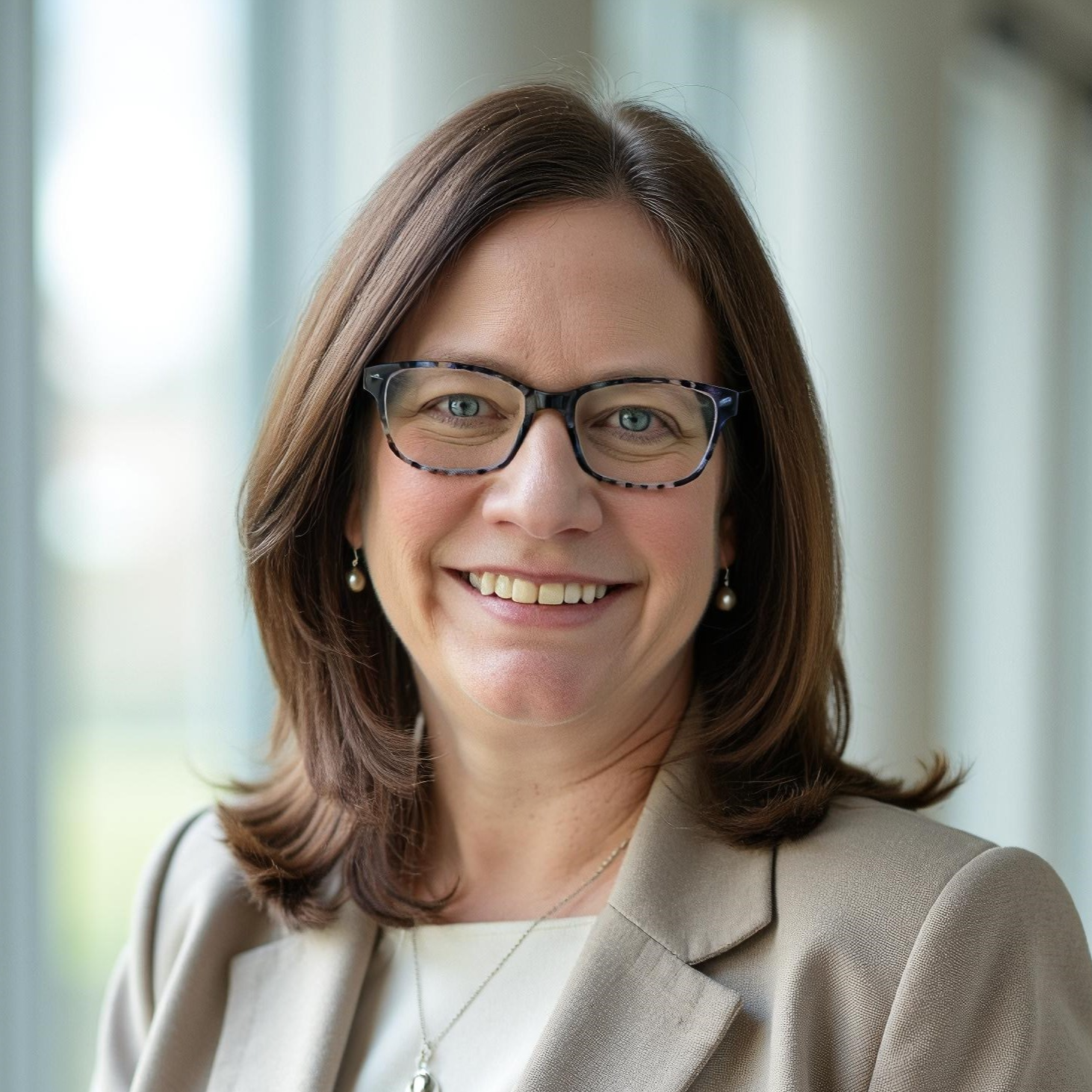
Mindy Elliott, MS (she/her), is the Director of Education and leads the education and school services at The Emily Program, a specialized eating disorder treatment organization. She is dedicated to removing barriers to eating disorder treatment by meeting the unique needs of each individual, including maintaining a neuro-affirming treatment environment, creating sensory rooms/quiet spaces in treatment areas, and providing school services for children and adolescent patients. She is also a doctoral student with research interests focused on neurodivergence, twice exceptionality, and hospital school services. Mindy has presented dozens of workshops on neurodiversity and creating a neuro-affirming treatment environment, sensory processing in the treatment environment, educating gifted and twice exceptional students, supporting students transitioning from a Psychiatric Residential Treatment Facility (PRTF), providing school services in a hospital/PRTF setting, working with neurodivergent individuals in the treatment environment, supporting students challenged with perfectionism, emphasizing positive body image in education, and informing educators on eating disorders. A leader in the hospital educator field, Mindy served seven years on the executive board of the Hospital Educator and Academic Liaison (HEAL) Association, the North American organization supporting professionals who work to improve the educational outcomes of students with medical and mental health needs. Mindy is also an Associate Editor of the international journal Continuity in Education, focusing on the education of children and young people with medical and mental health needs.

Financially Sponsored By

  • The Emily Program