Open help menu
Live Webinar

Eating Disorders and Co-Occurring Conditions: How to Prioritize Competing Needs

|

Information

Date & Time

Description

Training exists on eating disorder treatment.  Training exists on treating the common co-occurrences (i.e. anxiety, depression, trauma, ocd).  There are historical approaches and tendencies in our field related to addressing one clinical issue at a time.  There is a relative lack of guidance on how to incorporate treatment co-occurrences into eating disorder treatment to provide holistic care.  We will explore the potential for holistic care that may have greater efficacy than sequential care.

Learning Objectives

Participants will be able to:

  • Identify 3 common psychiatric co-occurrences for those with an eating disorder.

  • Identify one common medical co-occurrence for those with an eating disorder.

  • Recognize the top safety priorities for those with eating disorders and other mental health issues.

  • Describe at least 2 benefits of treating the co-occurrence at the same time as the eating disorder.

Educational Goal

The educational goal of this workship is to enhance the understanding of holistic care for those with eating disorders.

Target Audience

  • Addiction Professional
  • Counselor
  • Marriage & Family Therapist
  • Nurse
  • Physician
  • Psychologist
  • Social Worker

Presenters

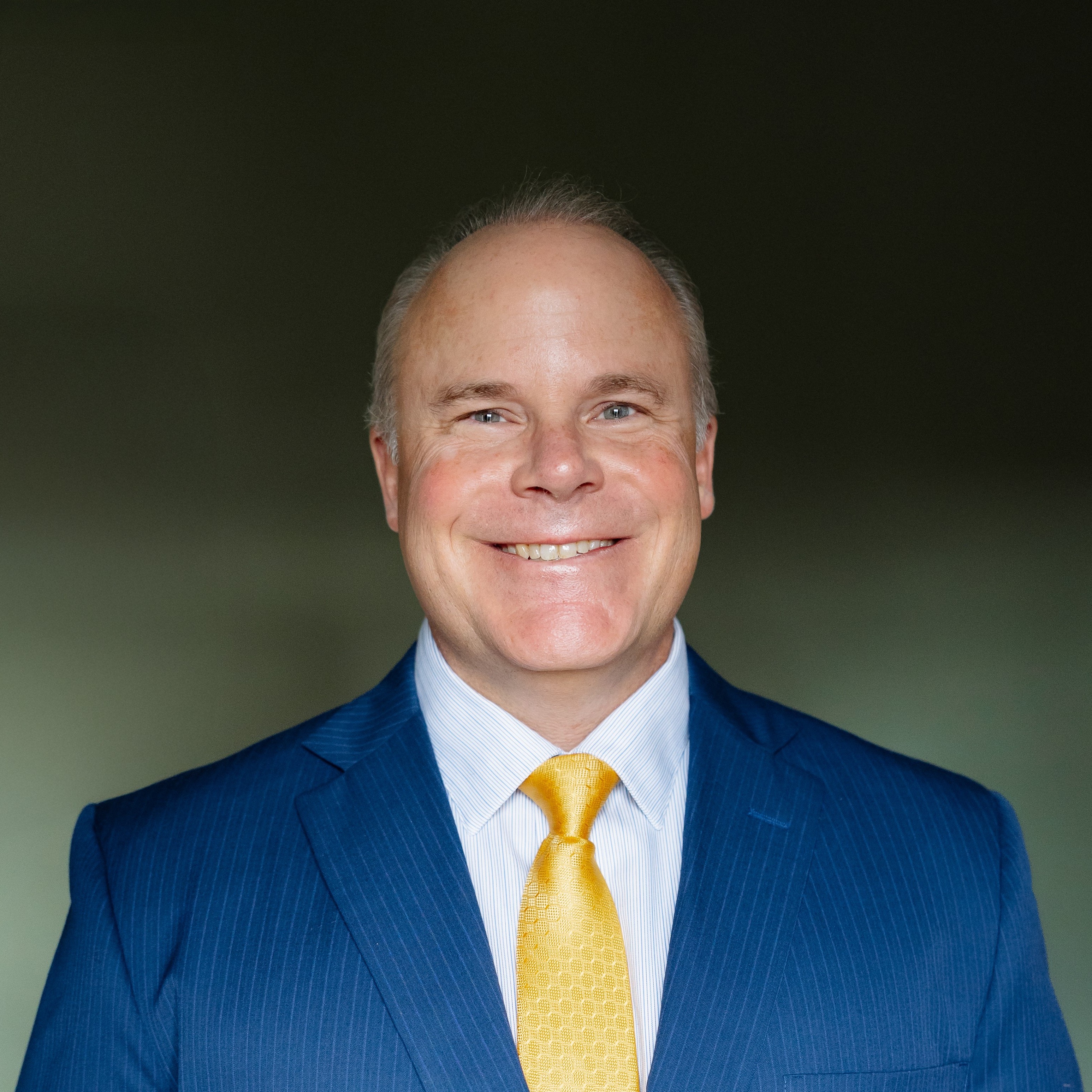
Brad Smith, MD, DFAPA
Dr. Brad Smith, MD, DFAPA (he/him) is the Chief Medical Officer for Accanto Health, overseeing the clinical direction of The Emily Program and Gather Behavioral Health. With 25 years of experience in psychiatry and medical leadership, he is dedicated to advancing high-quality, patient-centered care for individuals with eating disorders. Board-certified in adult and forensic psychiatry, Dr. Smith has spent his career developing innovative, evidence-based treatment programs. Before joining Accanto Health, he directed clinical services at all levels of care within Eating Disorder Recovery Services at Rogers Behavioral Health. He is recognized for his leadership in improving clinical outcomes and expanding access to care for those in need. Dr. Smith earned his medical degree from the University of Wisconsin, where he also completed his psychiatry residency, serving as chief resident in his final year. He completed a fellowship in forensic psychiatry at the Medical College of Wisconsin and is a Distinguished Fellow of the American Psychiatric Association, an honor that highlights his substantial contributions to the field. In addition to his clinical leadership, Dr. Smith is passionate about education and has served as a voluntary assistant clinical professor in the Department of Psychiatry and Behavioral Medicine at the Medical College of Wisconsin. He has lectured nationally on a wide range of topics related to eating disorders and mental health, including peer-selected presentations for the National Eating Disorders Association and the Multi-Service Eating Disorders Association annual meetings.

Financially Sponsored By

  • The Emily Program