Cultivating Dignity: Refugee Care in the Clinic and on the Land
Cultivating Dignity: Refugee Care in the Clinic and on the Land
Pricing
Information
Date & Time
-
-
 Google
 Outlook.com
 Yahoo
Yahoo
Description
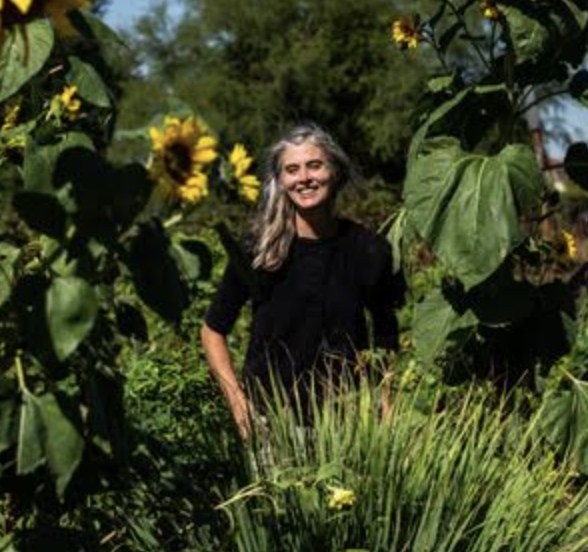
If self-determination lies at the center of a dignified life, refugees, who have been forcibly and traumatically uprooted from their homes and homelands, have lost, among many other things, the right to determine the course of their own lives. Resettlement in the U.S., particularly in an era so hostile to migration, can deepen a refugee's struggle to reclaim their dignity and sense of self-worth, and there is so little behavioral health care available to them as they seek to rebuild their lives. In this presentation, we will explore two forms of behavioral health care for refugees, one clinical and one cultural, but both holding dignity as a guiding principle. Dr. Sophia Banu works with international trauma survivors and trains residents and medical students on how to perform culturally appropriate psychiatric evaluations, all the while practicing cultural humility, and ongoing care for refugees. Dr. Kimberly Meyer, a writer who has documented the narratives of refugee women in Houston, is a founder, along with a collective of refugees and immigrants, of Shamba Ya Amani, the Farm of Peace. They will share stories and strategies related to the work they do—either within a major medical institution or on the land growing food from lost homelands—to create spaces in which refugees are listened to, and their knowledge and gifts honored.
Through their work they have also witnessed the post-traumatic growth that many survivors come to experience. Dr. Meyer sees this growth in the collective efforts of running a farm and feeding a community, where the traditional knowledge that refugee women carried with them helps root them in their new lives here. Reconnecting to the land and to other women while engaging in work that matters deeply, in building a space of beauty and productivity, they come to feel their own sense of agency return. Dr. Banu cultivates this growth by creating a safe and empowering therapeutic space in which refugees reclaim a sense of control addressing not only their psychiatric and therapeutic needs, but also the practical realities of food and clothing insecurity that so often undermine wellbeing. In her view, attending to the whole person in this way provides the fertile ground from which post-traumatic growth can take root, and it is through this growth that dignity is restored one individual, one session at a time.
Learning Objectives
Participants will be able to:
-
Describe how forced displacement and hostile resettlement environments undermine self-determination, dignity, and mental health among refugees, and identify key gaps in behavioral health care access.
-
Compare clinical and cultural approaches to refugee behavioral health care including trauma-informed psychiatric practice and communitybased, land and culturerooted interventions that center dignity, agency, and cultural humility.
-
Apply principles of wholeperson, dignity-centered care to support posttraumatic growth among refugees by integrating attention to psychiatric needs, basic material insecurities, and the honoring of refugees’ lived knowledge and strengths.
Educational Goal
Target Audience
- Addiction Professional
- Counselor
- Marriage & Family Therapist
- Nurse
- Physician
- Psychologist
- Social Worker
Presenters
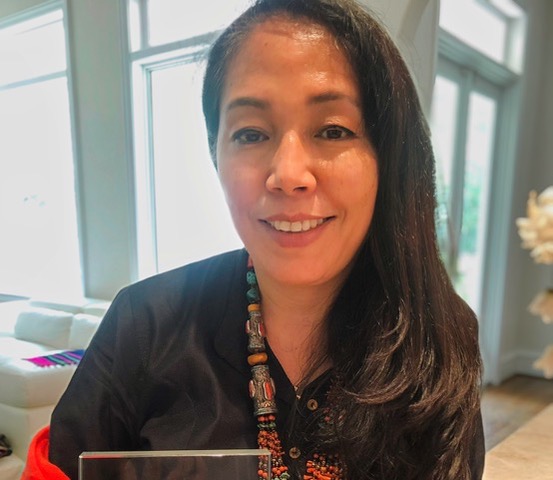
Sophia Banu, M.D., is an Associate Professor in the Menninger Department of Psychiatry and Behavioral Science, Baylor College of Medicine (BCM) in Houston. She completed her medical education in New Delhi, India and her psychiatry residency, Child and Adolescent Psychiatry Fellowship at St Luke’s Roosevelt Hospital, Columbia University, New York, and Psychosomatic fellowship at the Bellevue / NYU Hospital. She was the first female physician in her Tibetan Muslim community.
She has extensive experience working with the displaced population, including refugees and survivors of torture in Nepal, New York, Greece, Bangladesh, Turkiye, Syria, and Houston.
She founded the Clinic for International Trauma Survivors under Harris Health and BCM, and the Alliance Wellness clinic, collaborating with The Alliance and other refugee resettlement agencies to train caseworkers, educate medical students and train psychiatry residents and fellows in providing culturally competent care while practicing cultural humility.
She was instrumental in initiating the Annual Refugee Mental Health and Wellness Conference 2018.
She is a co-founder and co-director of BCM’s Global Mental Health Division and faculty supervisor for the BCM Human Rights and Asylum Clinic and the BCM PHR students’ chapter. Dr. Banu is one of the co-authors of the Handbook of Refugee Experience: “Trauma, Resilience and Recovery.”