Open help menu
Live Webinar In Person

Complex Trauma and Attachment: Understanding and Treating “Treatment-Resistant” Behaviors Through the Lens of Survival

|

Information

Date & Time

Location

Learning Objectives

Participants will be able to:

  • Develop a trauma-informed treatment framework that integrates attachment theory, nervous system regulation, and relational safety when working with clients presenting with complex trauma histories.

  •   Differentiate between symptom-focused and neurorelational trauma-informed case conceptualizations by accurately reframing at least two clinical case examples through an attachment and survival-based lens.

  •   Analyze the relationship between attachment disruptions, complex trauma, and high-acuity behavioral presentations by identifying at least three survival-based functions underlying behaviors commonly labeled as resistant, manipulative, avoidant, or dysregulated.

Educational Goal

The education goal is to advance clinicians' professional growth by by shifting from a symptom-focused lens to a neurorelational, trauma-informed paradigm. Attendees will enhance their long-term clinical practice by learning to conceptualize high-acuity behavioral presentations as adaptive survival strategies, thereby increasing clinical efficacy, deepening therapeutic safety, and fostering sustainable client growth across diverse treatment settings.

Description

This training explores how attachment and complex trauma impact the way people interact, regulate emotions, experience safety, and navigate relationships throughout their lives. It focuses on understanding many behaviors often labeled as “resistant,” “avoidant,” “manipulative,” or “dysregulated” as survival strategies that developed in response to chronic stress, relational wounds, and attachment disruptions. Through the integration of attachment theory, trauma research, nervous system education, and practical clinical application, participants will gain a deeper understanding of the connection between trauma, survival, and behavior. The training is designed to help clinicians respond with greater insight, compassion, and effectiveness across RTC, PHP, IOP, and outpatient settings.

Target Audience

  • Addiction Professional
  • Counselor
  • Marriage & Family Therapist
  • Psychologist
  • Social Worker

Presenters

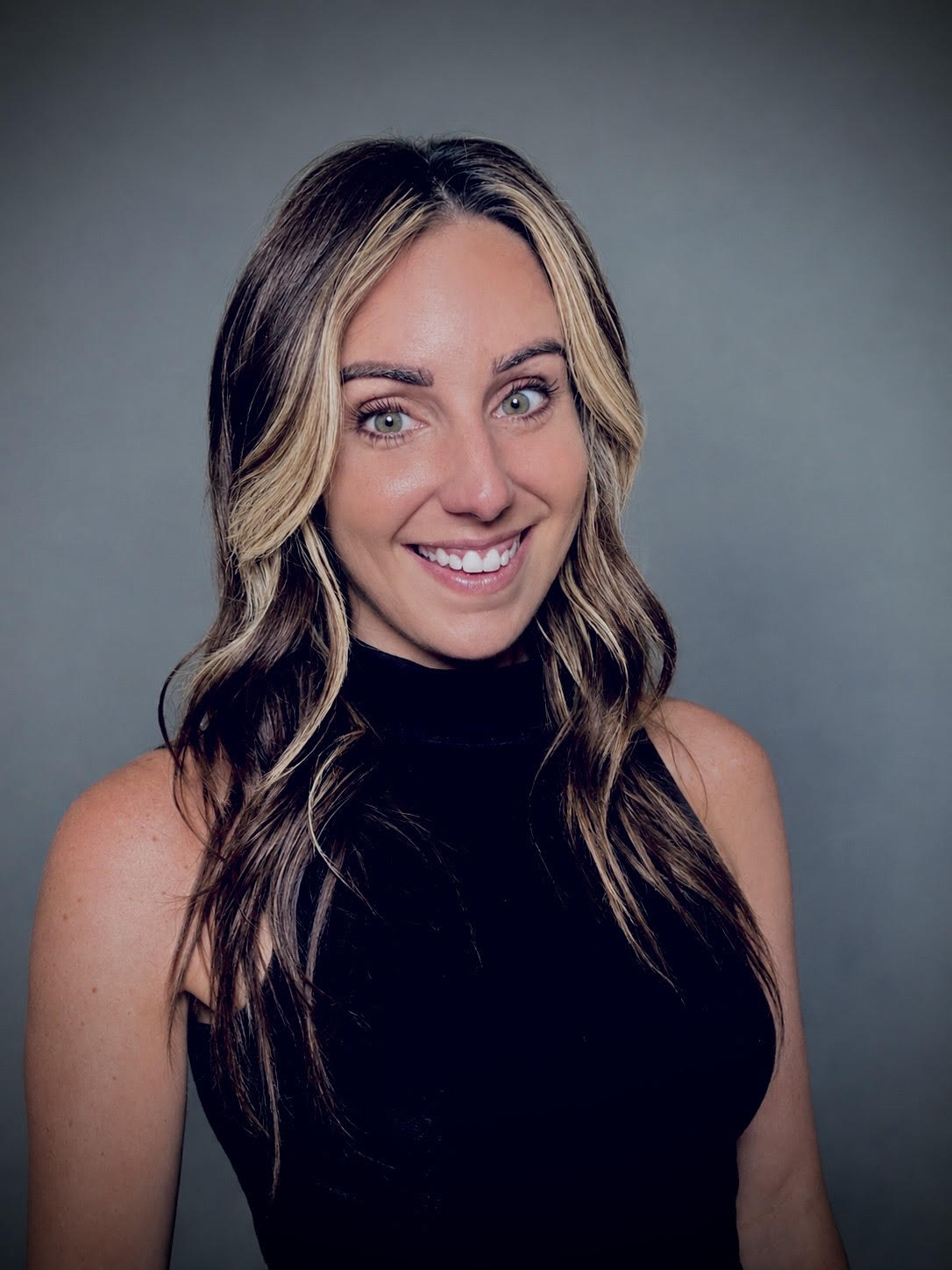
Kathleen Keane is a Licensed Mental Health Counselor, Qualified Supervisor, and Clinical Program Manager with extensive experience in behavioral health, clinical leadership, program development, and trauma-informed care. She currently oversees adult Residential Treatment (RTC), Partial Hospitalization (PHP) programming and intensive Outpatient (IOP) programming at La Amistad Behavioral Health Services, where she specializes in the treatment of complex trauma, co-occurring disorders, attachment injuries, addiction, mood disorders, personality disorders, and emotional dysregulation. Kathleen has worked across multiple levels of care, providing individual, family, and group therapy while also leading multidisciplinary treatment teams and supporting clinical program development. Kathleen is passionate about creating treatment environments that balance accountability, compassion, and deep clinical insight. Her work is heavily informed by attachment theory, nervous system regulation, trauma research, and relational healing. She has a particular interest in understanding behaviors through the lens of survival and helping both clients and clinicians recognize the impact of developmental trauma, shame, identity disruption, and chronic stress on emotional functioning and relationships. Kathleen is actively involved in developing trauma-informed programming and psychoeducational trainings focused on attachment, complex trauma, nervous system healing, and recovery. In addition to her clinical leadership, Kathleen provides training and supervision to staff and clinicians, with a strong emphasis on relational treatment approaches, process-oriented group work, and integrating practical trauma-informed interventions into higher levels of care. Her clinical interests include attachment trauma, personality disorders, addiction and recovery, family systems, identity development, emotional regulation, suicidality, and the treatment of chronic shame and survival-based coping patterns. Outside of work, Kathleen enjoys baking, listening to podcasts, spending time outdoors, exploring new restaurants and coffee shops, reading, and training her German Shorthaired Pointer puppy. She values authenticity, humor, meaningful connection, and creating spaces where both clients and clinicians feel understood, challenged, and empowered to grow.

Financially Sponsored By

  • La Amistad Behavioral Health Services