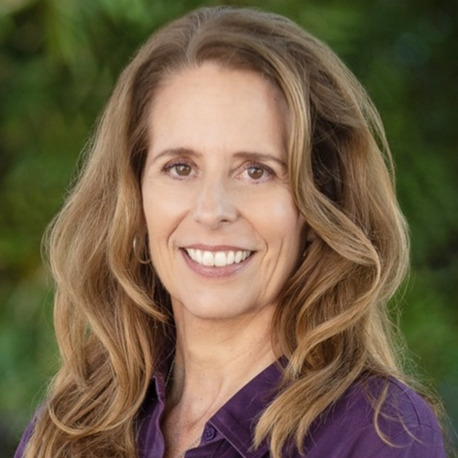
Dr. Joanie B. Connell is an organizational consultant, author, speaker, and leadership coach who is passionate about helping people maximize their leadership and personal potential. Joanie works especially well with both technical leaders and other leaders who need to interface with them to develop people strategies and to better manage teams and build stronger relationships across functions. She is the author of two books: Consulting to Technical Leaders, Teams, and Organizations: Building Leadership in STEM Environments (2022) and Flying without a Helicopter: How to Prepare Young People for Work and Life (2015).
Joanie has a wealth of consulting experience. She has consulted to Fortune 500 companies, as well as small and medium sized businesses, and also to non-profits and the public sector. She has taught business and psychology students at the Rady School of Management at the University of California San Diego and the California School of Professional Psychology at Alliant International University. She developed and ran the Center for Executive Assessment (executive assessment center) at the Rady School of Management for 10 years.
Joanie earned a Ph.D. in Psychology from the University of California Berkeley and a B.A. in Engineering from Harvard College She is a Fellow of the American Psychological Association. She is a Gallup Strengths Certified Coach and uses several assessment instruments including the Hogan suite, MSCEIT, EQ-i, TalentSmart, Watson-Glaser, CliftonStrengths, Positive Intelligence, 360-degree feedback instruments, and others.
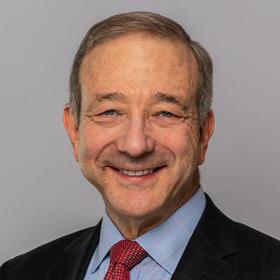
Bill is a seasoned consultant with more than 30 years’ experience as an executive coach, senior line manager, clinician and academic. He has been assessing individuals since 1983, delivered organizational consulting and executive coaching since 1993, and has consulted to executives and C-suite business leaders since returning to full-time consulting in 2004. Bill has advised executives from multiple industries, including financial services, pharmaceuticals, publishing, and technology companies, and worked with CEOs and teams at the C-suite, managing director, and general/functional management levels. Bill started his own software company in 1994 to track healthcare outcomes, which he grew and subsequently sold to The Echo Group, an enterprise healthcare information system company. He served on Echo’s executive management team as chief clinical officer and head of professional services, expanding the services to generate 25% of annual corporate revenues through consulting, implementation, training, and support functions. Bill received his B.A. from Harvard College, and his Ph.D. from Yale University. He is licensed in NY and CT. He is a Past President of the Society of Consulting Psychology. He is a fellow of the American Psychological Association and board certified by the American College of Professional Psychology.
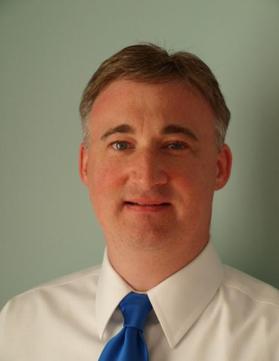
Scott is a board-certified executive coach and organizational consultant with over 20 years of experience in helping leaders and organizations achieve their goals. He has advised executives and teams across a range of industries, including pharmaceuticals, financial services, healthcare, manufacturing, education, and professional services. He has worked with CEOs and teams at the C-suite, managing director, vice president, and general management levels. Scott has a business and operations background with profit and loss responsibility, serving in both vice president and managing director roles. Scott received a doctorate in Clinical Psychology and completed a certification program in Organizational Consulting Psychology. Scott is a former Executive Board member of the Society of Consulting Psychology.
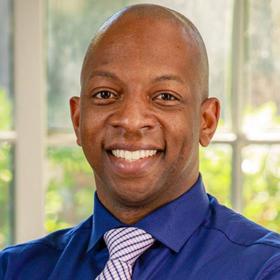
Dr. Williams is the Founder and Chief Executive Officer of Legacy Consulting & Research Group. Dr. Williams is an enthusiastic leader who enjoys helping individuals and organizations thrive.
Dr. Williams has experience in assessment, consulting, research, and speaking. His research interests include multicultural competence, emotional intelligence, resilience, and leadership. At Legacy, Dr. Williams works with clients, delivering executive coaching and consulting services. Dr. Williams also serves as an assistant professor in the Behavioral Sciences and Leadership department at the United States Military Academy at West Point and Fuller Graduate School of Psychology & Marriage and Family Therapy. Dr. Williams also served as the Diversity, Equity, & Inclusion Chairperson for the American Psychological Association, Division 13 Society of Consulting Psychology.
In addition to his experience in Consulting Psychology, Dr. Williams has served in the United States Army (active and reserve) for over 20 years. He is an Infantry Officer, who has served soldiers and their families in a variety of leadership positions.