Open help menu
Live Webinar

Cannabis-Related Psychosis: Trauma, Risk, and Response

|

Information

Date & Time

Learning Objectives

Participants will be able to:

  • Explain three neurobiological effects of THC and how increased potency may influence mental health outcomes.

  • Describe three shifts in cannabis potency, product forms, and retail landscape distinguishing today's market from prior decades.

  • Identify three ways trauma-related dysregulation can function as an underlying driver of cannabis use as a coping mechanism, distinct from recreational or exploratory use.

  • Differentiate cannabis-related psychosis from primary psychotic disorders based on clinical presentation and history, citing at least four key clinical distinctions.

  • Apply at least three trauma-informed assessment strategies when working with clients and families impacted by cannabis-related concerns.

Educational Goal

The educational goal of this workshop is to teach participants how to recognize, assess, and respond to cannabis-related psychosis using a trauma-informed clinical framework, addressing the gap between rapid cannabis commercialization and the pace of clinical guidance.

Description

As cannabis legalization and commercialization expand, patterns of use have shifted significantly. Today’s products differ in potency, delivery methods, and accessibility, creating confusion about risk among parents, providers, and clients. This training examines contemporary cannabis trends and their clinical implications, including cannabis-related psychosis. Participants will review how THC affects the brain, how high-potency products may increase vulnerability, and how factors such as early onset of use, trauma exposure, frequency, and family history contribute to risk. Trauma-informed assessment and clinical response strategies will be discussed.

Target Audience

  • Addiction Professional
  • Counselor
  • Marriage & Family Therapist
  • Psychologist
  • Social Worker

Presenters

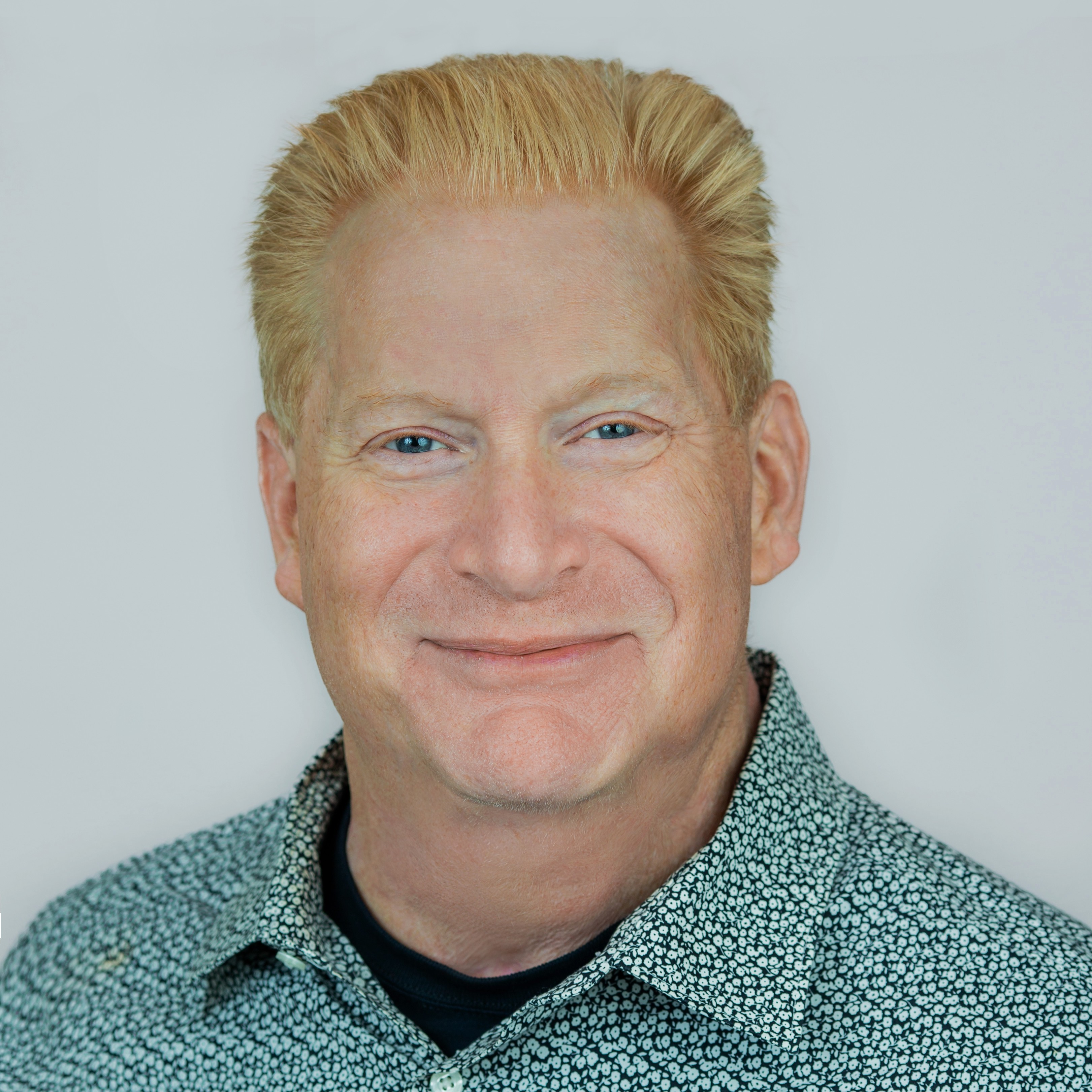
Larry Thompson, LCSW, was trained at New York University’s School of Social Work and earned a Master’s Degree in Social Work. His theoretical orientation is in the use of self & Zen psychology and psychodynamic-object relations theories of psychology. He was formerly the Director of Children’s Mobile Response in Ocean County and Team Leader for Monmouth County PACT team. Larry holds post-graduate certificates in Child/Adolescent Mental Health and Parent Education from Rutgers University. Larry incorporates his training in Dialectic Behavioral Therapy and Cognitive Analytic Therapy with nature and holistic approaches in work with adolescents, individuals, and families. Larry’s passion for integrating a total wellness approach continues to carry over into his professional and personal life. He has completed a post-graduate certificate through Drexel in Complementary and Integrative Therapies, so as to offer his clients additional options for their wellness recovery, as well as iRest yoga nidra meditation through the Integrative Restoration Institute. Larry’s favorite authors and poets include David Whyte, Thich Nhat Hahn, Rumi, E.E. Cummings, and Kahlil Gibran. One of his favorite mantras/meditations is by Thich Nhat Hahn, “Mountain Solid; Breathing in, I am a mountain, Breathing Out, I am solid.” His favorite LoJong slogan as interpreted by Pema Chodron, “Three poisons, three medicines, three paths to enlightenment.” Larry’s most transformative relationship lessons are those of “Loving Speech” and “Defenselessness.” What Larry is most often heard speaking of regarding mindfulness and emotions, “Emotions are not our enemy, they are vital aspects of the self reaching for regulation in the present moment.”
Brett Benedetti, LAC, NCC, is a Licensed Associate Counselor at Integrated Care Concepts and Consultation (ICCC) in Eatontown, NJ, where she serves as Group and Consultation Coordinator and continues working toward her LPC licensure. She brings over a decade of experience in addiction and recovery work across community mental health, substance use treatment, and outreach settings in Colorado, Florida, and New Jersey. In the Tampa and Sarasota region of Florida, Brett served as Outreach Coordinator and Facilitator for an LGBTQIA+ Recovery program for young people, where she was instrumental in initiating and organizing recovery meetings across local hospitals and treatment facilities and building partnerships with organizations such as AA, NA, S.M.A.R.T. Recovery, and Recovery Dharma. In New Jersey, she helped launch 24-hour recovery meetings during COVID-19, ensuring individuals in recovery had continued access to support when so many other services had shut down. Brett holds a Master's in Clinical Mental Health Counseling from Georgian Court University and has presented at conferences on the intersectionality of addiction, LGBTQIA+ identity, and disability, including at Kean University and the WEAVE Recovery Conference. She is the Founder of BMB Relational Consulting.

Financially Sponsored By

  • Integrated Care Concepts and Consultation