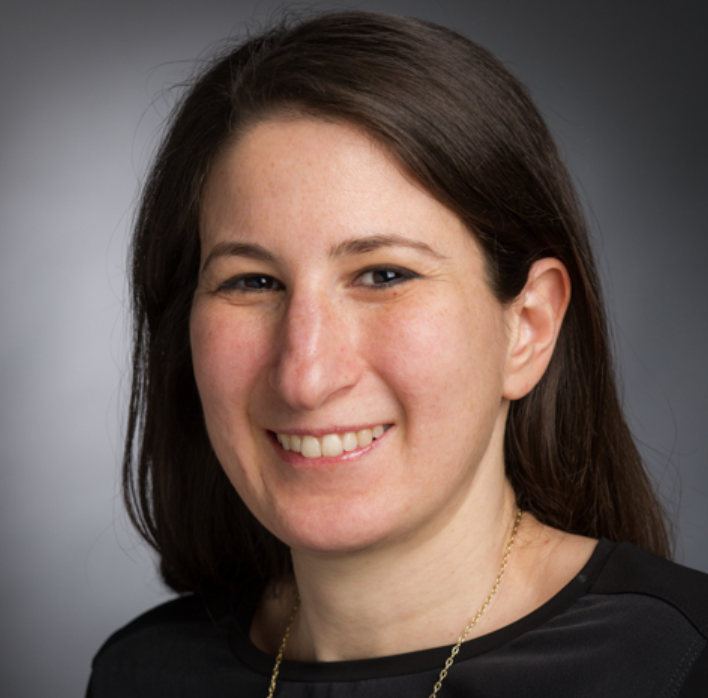
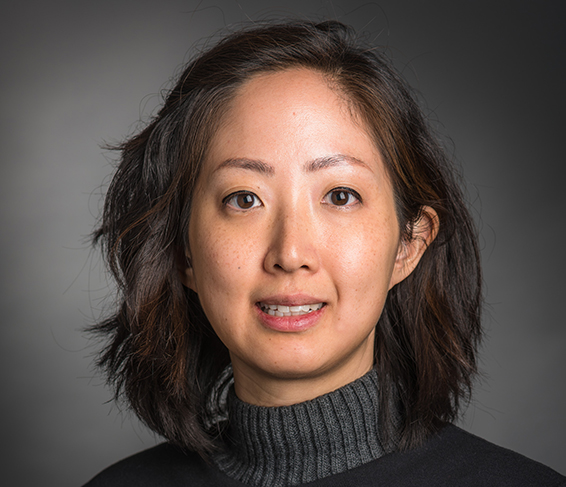
A psychiatrist, Dr. Ilana Braun has dedicated her career to clinical work, quality improvement and symptom management research, all aimed at improving quality of life for individuals facing cancer. She is interim chief of the Division of Psychosocial Oncology at the Dana-Farber Cancer Institute and a longstanding member of the National Comprehensive Cancer Network Distress Guideline Committee. Widely recognized for a research program focused on cannabis therapeutics in oncology, she co-led that American Society of Clinical Oncology’s expert panel to generate a first-in-kind clinical guideline on cannabinoids (Braun JCO, 2024). She also co-chaired a National Cancer Institute Cannabis, Cannabinoids and Cancer Research Symposium session and authored its white paper (Braun JNCI, 2021). She undertakes high impact investigations ranging from biomedical efforts to understand cannabinoid effects on cancer symptoms such as anxiety, dysphoria, pain and nausea; basic science endocannabinoid discovery; and mixed methods research exploring the complexities of oncologic cannabis care. She served as principal investigator on and led implementation of all clinical trial work for “Cannabidiol for Scan-related Anxiety in Advanced Breast Cancer: A Randomized Clinical Trial” (NCT04482244; Braun JAMA Netw Open, 2024). Pilot data from this project indicated that women with advanced breast cancer and baseline anxiety (N=50) who received cannabidiol were significantly less anxious and less sad than controls. A bench research project she undertook identified potential druggable endocannabinoid targets in anxiety management (Goldman Transl Psychiatry, 2019). She has conducted socio-behavioral investigations on national cohorts of oncologists, adults with cancer, and cannabis dispensary personnel to understand perspectives and practices around medical cannabis. For instance, a national survey of medical oncologists (n=400; response rate=63%) was the first to uncover a profound lack of integration of cannabis therapeutics into oncologic care, and that oncologists do not feel knowledgeable enough to make clinical recommendations regarding cannabis, despite openness to individuals with cancer consuming it medicinally (Braun JCO, 2018).
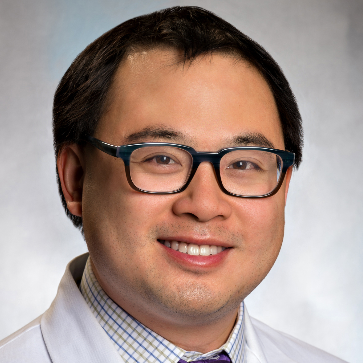
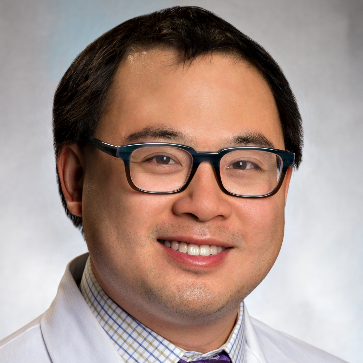
Dr. Peter R Chai is an associate professor of emergency medicine and medical toxicology at Brigham and Women’s Hospital/Harvard Medical School, and affiliate research scholar at the Koch Institute for Integrated Cancer Research at the Massachusetts Institute of Technology, the Broad Institute and The Fenway Institute. He is also research faculty at the Dana Farber Cancer Institute. Dr. Chai’s lab develops innovative technologies to discover health behavior change. This data is then leveraged to develop closed loop systems grounded in behavioral theory to support health behaviors. Major contributions of Dr. Chai’s lab include the development of ingestible sensors to measure and support medication adherence, development of novel drug delivery systems, and robotic and computer vision systems to detect changes in disease. Dr. Chai also conducts work at the translational stage between animal models and first in man trials. Finally, Dr. Chai’s lab also investigates and develops behavioral strategies to address health equity in the context of marginalized individuals in the emergency department.
Manan Nayak, Ph.D., MA is a senior research scientist with a dual appointment at the Phyllis F. Cantor Center Research in Nursing and Patient Care and the Supportive Oncology at the Dana-Farber Cancer Institute. She is a 2024 and 2025 Fellow, NIH’s Artificial Intelligence/Machine Learning Consortium to Advance Health Equity and Researcher Diversity and National Center for Advancing Translational Sciences, a 2023-2024 American Psychosocial Oncology Society Health Equity Scholar, and a 2022 New York Academy of Medicine Fellow. She is an early career investigator with expertise in qualitative, quantitative, and mixed methods approaches. Nayak’s program of research has two parallel tracks with a focus on tobacco and cannabis consumption by adults with cancer. She strives to develop sustainable and equitable interventions through the use of innovative technologies and methodologies.
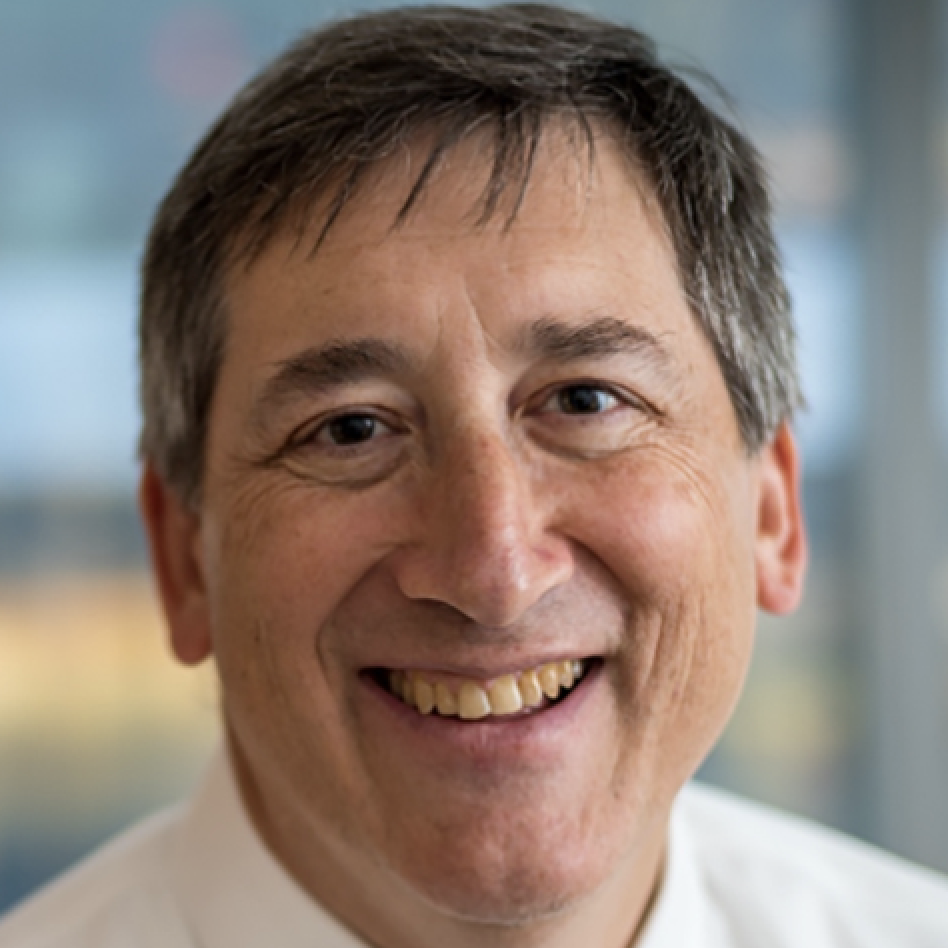
James A. Tulsky, MD is the Poorvu Jaffe Chair, Department of Supportive Oncology at Dana-Farber Cancer Institute, Chief, Division of Palliative Medicine, Brigham and Women’s Hospital, and Professor of Medicine and Co-Director, Center for Palliative Care, Harvard Medical School. Dr. Tulsky has published widely in the areas of clinician-
patient communication and quality of life in serious illness, particularly for patients with advanced cancer. His work has been recognized with the Presidential Early Career Award for Scientists and Engineers (2002), the Award for Research Excellence from the American Academy of Hospice and Palliative Medicine (2006), the George L. Engel Award from the American Academy on Communication in Healthcare (2013), and the American Cancer Society Pathfinder in Palliative Care award (2014). In 2017, he was named a Hospice and Palliative Medicine Visionary by AAHPM. He serves on the Board of the Greenwall Foundation (Chair, 2018-2023), Chaired the National Palliative Care Research Center Scientific Advisory Council (2017-2025), and from 2016-22 was Co-Chair of the Roundtable on Quality Care in Serious Illness of the National Academies of Science, Engineering, and Medicine. He is a Founding Director of VitalTalk (www.vitaltalk.org), a non-profit devoted to communication skills teaching with a vision that every seriously ill patient will be surrounded by clinicians who can speak about what matters most and match care to values.
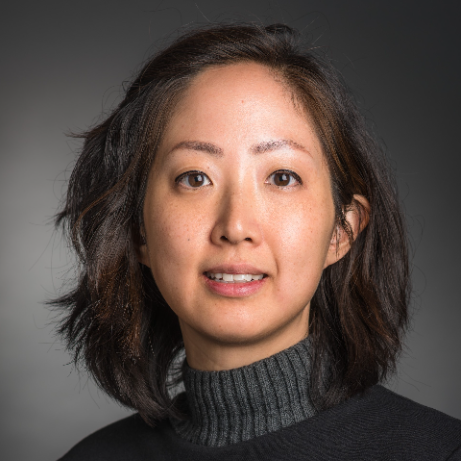
Dr. Stephanie C. Tung is a psychiatrist at the Dana-Farber Cancer Institute (DFCI) and Brigham and Women’s Hospital (BWH). She has sub-specialty expertise in consultation-liaison psychiatry, psychosocial oncology, women’s mental health, and integrated care. She has been an attending physician at DFCI/BWH since 2018. Three days per week, she provides psychiatric consultation for outpatients in the DFCI cancer clinics. One half-day per week, she provides psychiatric consultation for oncology patients admitted to inpatient medical/surgical units at BWH. In the outpatient setting, Dr. Tung is affiliated with the DFCI breast, sarcoma, and bone oncology disease centers. She works closely with providers in those groups and leads patient care team meetings. Dr. Tung helped to launch the Supportive Oncology Care Team model at the DFCI’s main campus. She meets weekly with providers from social work, psychology, and palliative care to provide psychiatric consultation using a population-based, interdisciplinary collaborative care approach. Dr. Tung presented on the implementation of this clinical initiative at the 2024 International Psycho-Oncology Society (IPOS) World Congress in the Netherlands.
Dr. Tung has been an instructor in psychiatry at the Harvard Medical School (HMS) since 2018. She is an Associate Site Director for the BWH/DFCI Consultation-Liaison Psychiatry Fellowship and a Site Director for the HMS Mind Brain and Behavior Course. She supervises medical students, psychiatry residents, psychiatry fellows, and breast surgical oncology fellows. Her fellows have presented her with a teaching award. Dr. Tung provides high-yield CME lectures to oncology providers a few times per year. She also serves as a co-chair of the DFCI Supportive Oncology Education Committee. In this role, she has developed programs including an education works-in-progress seminar, a departmental book club, and an HMS continuing medical education course on Psychosocial Oncology for community mental health providers. Dr. Tung has been involved in educational programs on national and international levels. She was a co-chair for the Academy of Consultation-Liaison Psychiatry (ACLP)’s Early Career Psychiatry Special Interest Group (SIG) and is now a member of the Early Career Psychiatry Subcommittee. Dr. Tung has been an invited speaker at workshops for breast cancer patients/survivors and young women with cancer. She has presented to medical, oncology, and palliative care providers in Colombia, Brazil, and China.
Dr. Tung has contributed to research on osteoporosis, HIV, intestinal stem cells, and maternal fetal medicine. She is currently involved in projects related to metastatic breast cancer and medical cannabis. She was the co-investigator on a randomized controlled trial which examined a potential role for CBD for anxiety occurring before scans.