
Open help menu
Live Webinar

Building a Better System: Caregiving Policy and Advocacy in Action

|

Information

Date & Time

Learning Objectives

Participants will be able to:

  • Explain how gaps in the paid direct care workforce contribute to increased burden among family caregivers of people with cancer and identify policy levers that address these gaps.

  • Describe the current policy landscape for family caregivers in the United States, including key federal and state-level initiatives aimed at strengthening caregiver support systems.

  • Identify opportunities for researchers, clinicians, and advocates in psychosocial oncology to engage with and contribute to caregiving policy and advocacy efforts at the state and national levels.

Educational Goal

The educational goal of this webinar is to increase participants' understanding of the evolving caregiving policy landscape and its implications for family caregivers of individuals with cancer.

Description

Family caregivers are an essential but often invisible pillar of the cancer care system. As the population of cancer survivors continues to grow, so too does the demand placed on the millions of family members who provide emotional, physical, and logistical support, frequently without adequate resources, training, or policy protection. Yet the caregiving policy landscape is rapidly evolving, and psychosocial oncology professionals are uniquely positioned to engage with and influence it.

In honor of National Family Caregivers Month (November), the APOS Caregiver Special Interest Group is pleased to present this virtual panel webinar bringing together three leading experts at the forefront of caregiving policy and advocacy. This webinar will examine the caregiving policy landscape from multiple angles: how the availability and quality of paid care shapes family caregiver burden, how policy initiatives are responding to growing caregiving demands, and how national advocacy organizations are translating research into systemic change.

Target Audience

  • Addiction Professional
  • Counselor
  • Marriage & Family Therapist
  • Nurse
  • Physician
  • Psychologist
  • Social Worker

Presenters

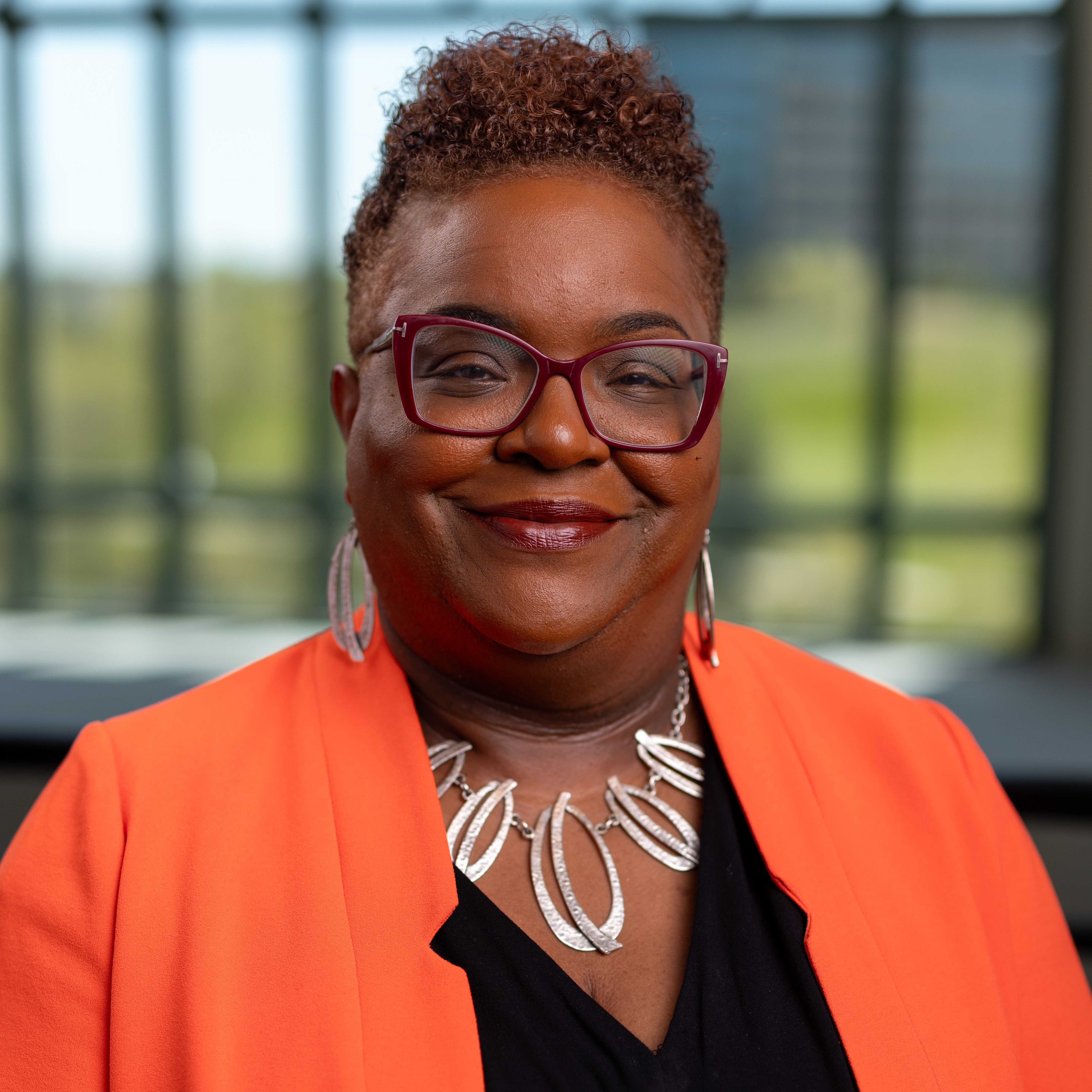
Rita Choula is a nationally recognized leader in bridging caregiving policy and research to practice. She is dedicated to elevating the voices of family caregivers and advancing systems that support them. As Senior Director of Caregiving at the AARP Public Policy Institute, she leads initiatives that integrate caregiver support into healthcare delivery, social services, and public policy. Her work includes directing large-scale investments to embed caregiver support within health systems, developing practical tools for healthcare professionals, and advancing innovative care models. Her commitment to caregiving is deeply personal, shaped by her experiences caring for her grandmother as she aged, and later serving as a sandwich generation caregiver for her mother, who lived with Frontotemporal Degeneration, while raising two children and working full-time. She is a passionate advocate for ensuring caregivers are recognized, supported, and valued in the systems they navigate. Rita is currently the Board Chair for the Association of Frontotemporal Dementia and a member of the Board of Directors for the National Caregiver Alliance.
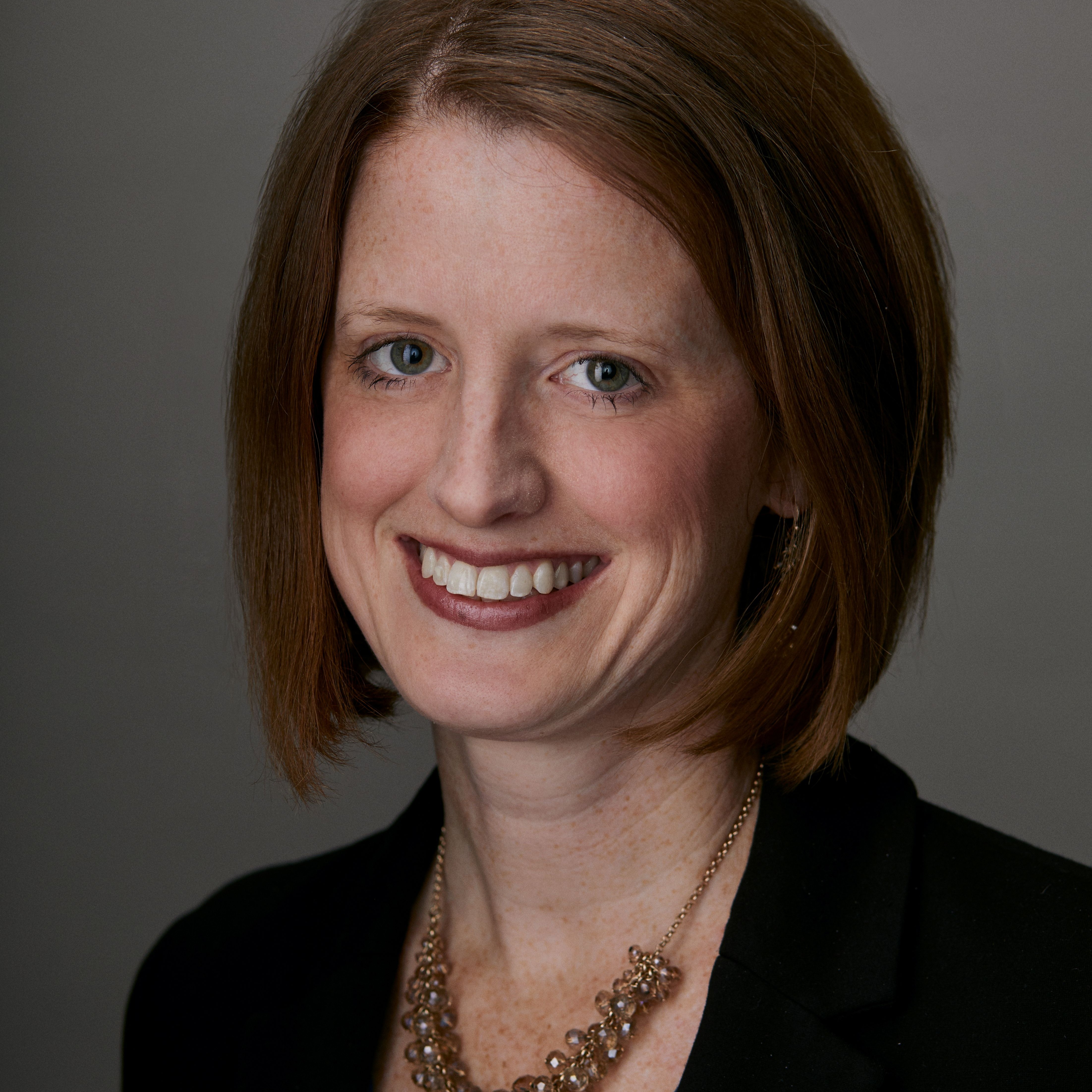
Laura Forsythe is the Vice President of Research and Impact for the National Alliance for Caregiving, where she leads the strategic direction for NAC's research and works to translate caregiving evidence into policy and systems solutions for America's 63 million family caregivers. She oversees NAC's flagship Caregiving in the U.S. study, conducted with AARP, and the CARE Network, a federally funded initiative connecting researchers with the nation's publicly funded caregiver support programs to build a more unified national infrastructure for caregiving research. Laura is a clinical health psychologist who spent 13 years at the Patient-Centered Outcomes Research Institute measuring and translating research impact. She holds a PhD in Clinical Psychology from the University of Alabama and an MPH from Johns Hopkins University.
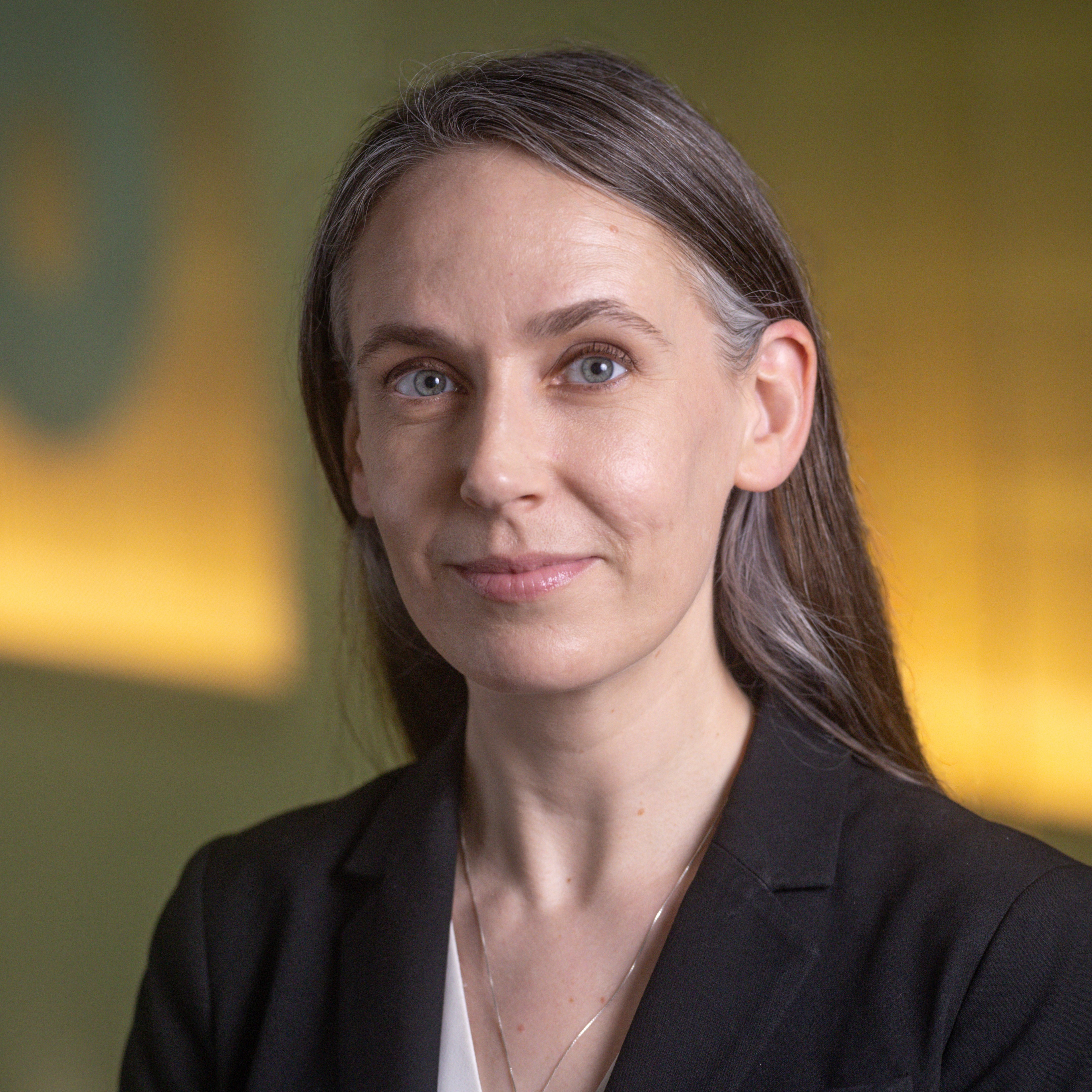
Katherine Miller is an Assistant Professor in the Department of Health Policy and Management at the Johns Hopkins University Bloomberg School of Public Health. Her research applies economic theory and methods to the intersection of aging and health policy evaluation. She examines how policies influence both paid and unpaid caregivers (e.g., wages, turnover, and well-being) and how these dynamics affect care quality and patient outcomes. Her work also investigates rural disparities in long-term care to inform more equitable and effective policy solutions.
Dr. Qi Chen is an assistant professor at Silberman School of Social Work, Hunter College City University of New York. She graduated with her PhD in Social Work at the University of Texas at Austin and her MSW at the University of Pittsburgh. Dr. Chen’s research focuses on health equity and psychosocial outcomes in cancer care, with a particular emphasis on cancer caregivers and minority populations, including young adult and Chinese-speaking cancer survivors. Her work has focused on designing and implementing interventions aimed at enhancing social support and quality of life for minority cancer survivors and caregivers.
Dr. Kelly Tan is an Assistant Professor at the University of Pittsburgh School of Nursing. Her research focuses on describing and addressing health inequities in serious illness caregiving (e.g, ADRD and cancer). Dr. Tan is an expert in mixed methods, cancer survivorship, and community engagement in cancer research. She is the current co-chair of the APOS Cancer Caregiving Special Interest Group.

Financially Sponsored By

  • American Psychosocial Oncology Society