
Open help menu
Live Webinar

Birthing While Black: The Cost of Being Unheard

|

Information

Date & Time

Description

This 90-minute webinar examines the racial disparities, systemic inequities, and psychological consequences affecting Black women during pregnancy, childbirth, and the postpartum period. Through a multidisciplinary panel discussion, experts will explore how implicit bias, discrimination, and inadequate provider communication contribute to adverse maternal healthcare experiences and outcomes (Vedam et al., 2019; Crear-Perry et al., 2021). Participants will examine the psychological impact of maternal healthcare inequities, including anxiety, depression, and birth-related trauma. The discussion will highlight culturally responsive, trauma-informed strategies to improve patient-provider communication, promote maternal mental health, and advance equitable healthcare practices.

Educational Goal

The educational goal of this workshop is to increase participants' knowledge of the systemic inequities, implicit biases, and psychological consequences affecting Black women's maternal healthcare experiences. The presentation will highlight culturally responsive, trauma-informed strategies to improve patient-provider communication, support maternal mental health, and promote equitable healthcare outcomes.

Learning Objectives

Participants will be able to:

  • Identify three systemic and interpersonal factors contributing to racial disparities in Black maternal health outcomes, including structural racism, implicit bias, and inequitable access to quality healthcare.

  • Describe two psychological consequences associated with adverse maternal healthcare experiences among Black women, including perinatal anxiety, depression, trauma-related symptoms, and medical mistrust.

  • Apply two culturally responsive, trauma-informed clinical or advocacy strategies to improve communication, psychological support, and patient-centered care for Black women during pregnancy, childbirth, and the postpartum period.

Target Audience

  • Addiction Professional
  • Counselor
  • Marriage & Family Therapist
  • Psychologist
  • Social Worker

Presenters

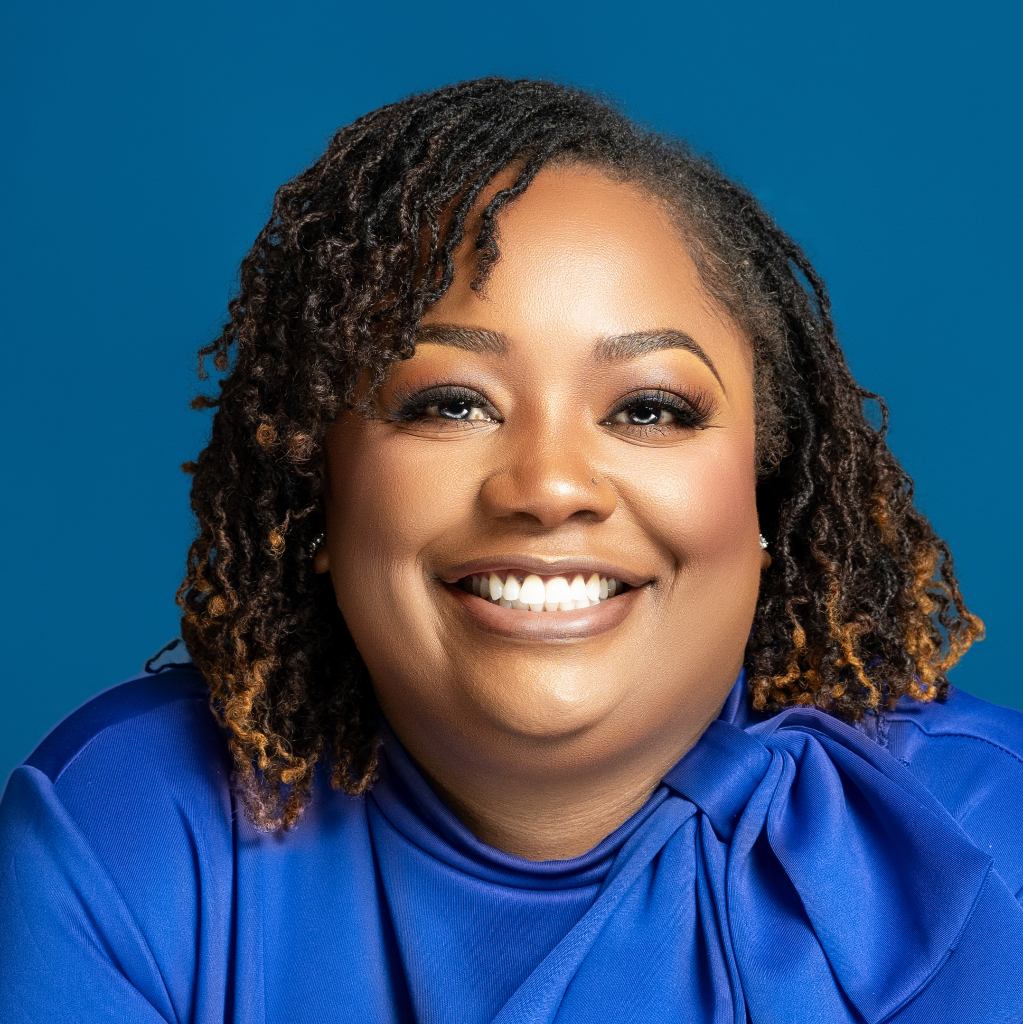
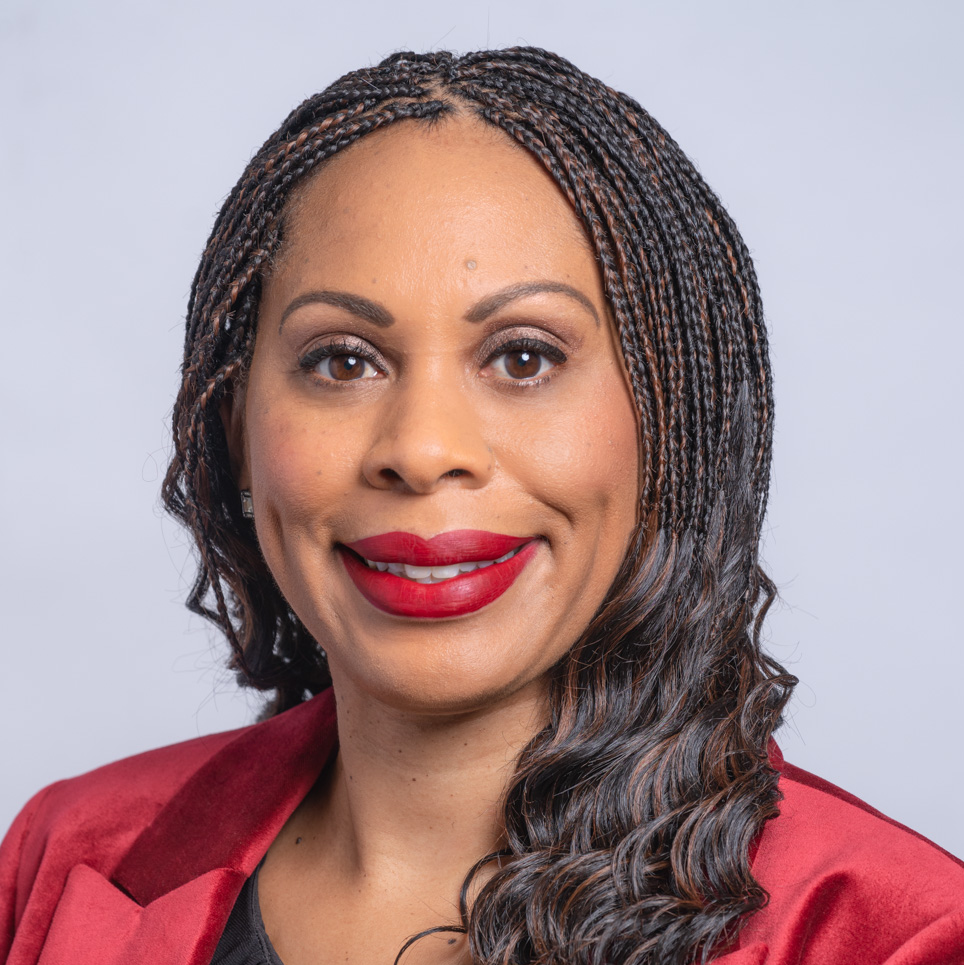
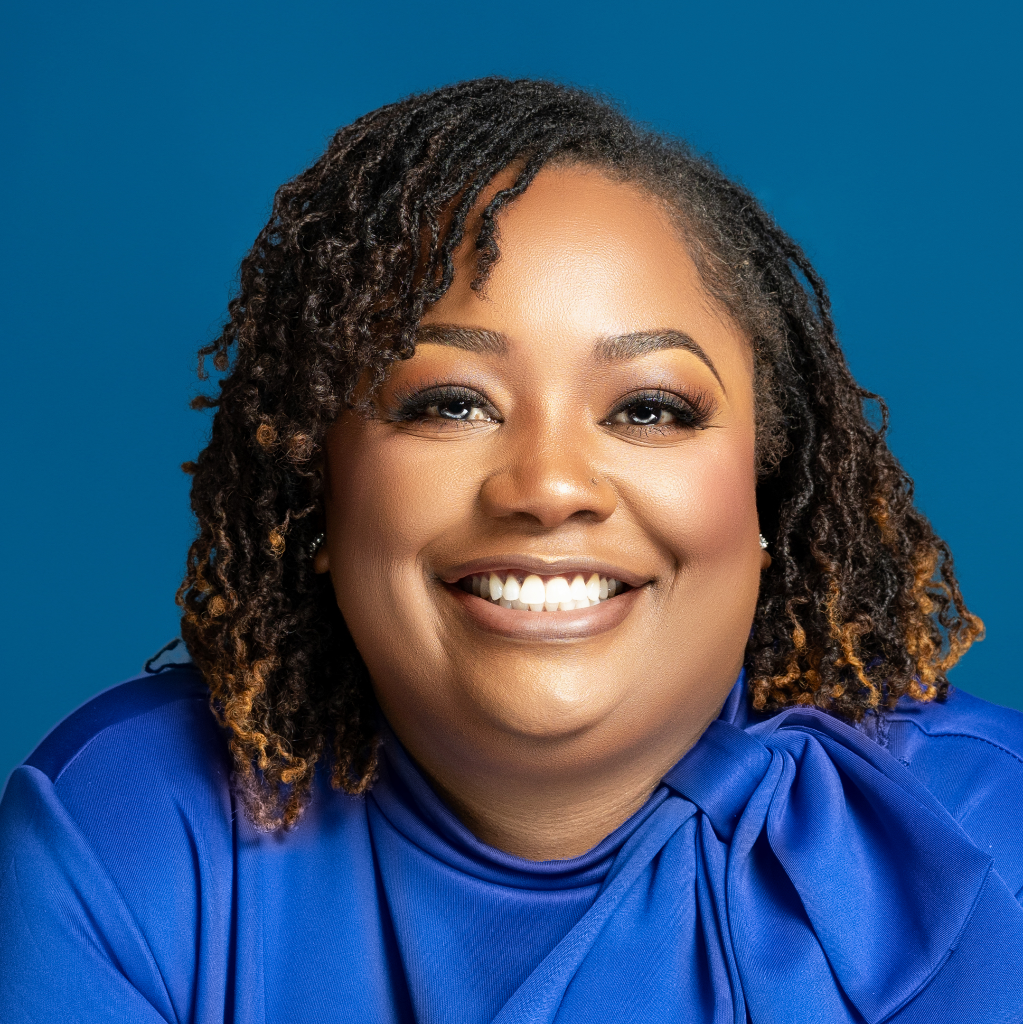
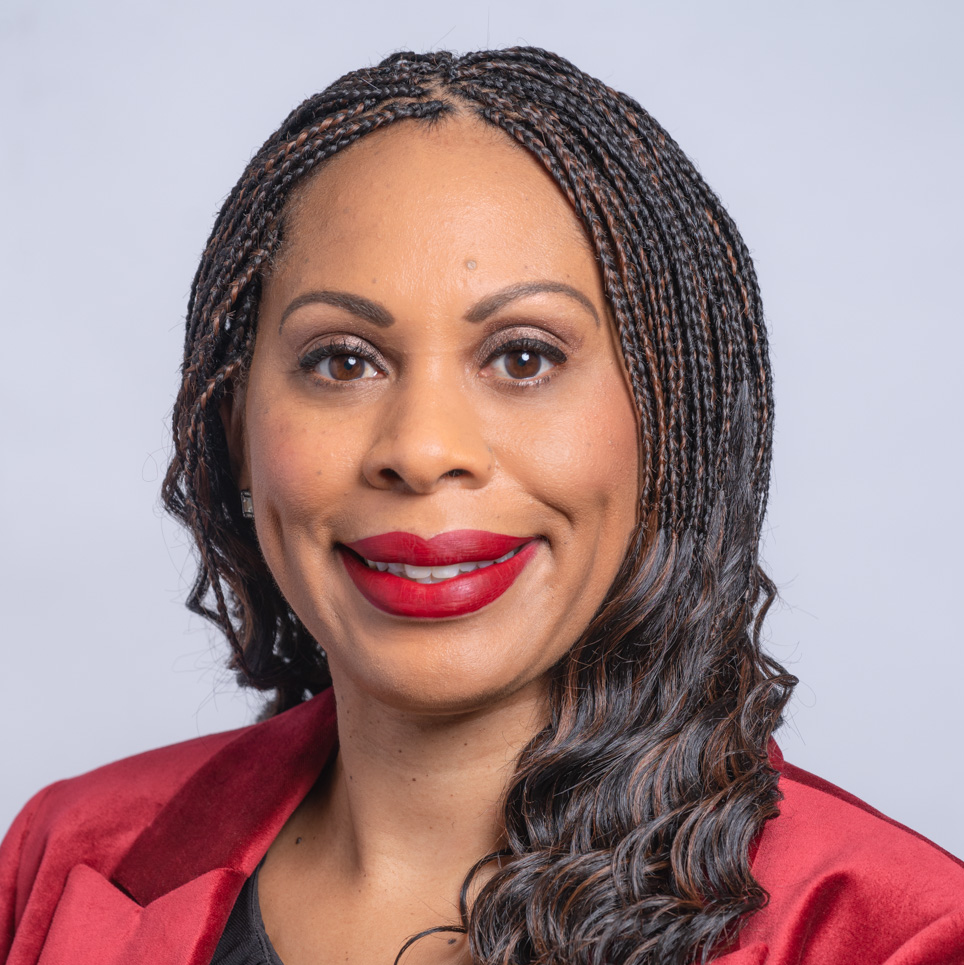
Dr. Erica N. McKinney, PhD is a licensed psychologist, educator, and consultant specializing in reproductive mental health, health psychology, and culturally responsive psychological care. She is licensed in Wisconsin and Iowa and holds authorization to practice interjurisdictional telepsychology through PSYPACT. Dr. McKinney brings a unique perspective to clinical education through her experience in academic medicine, higher education, private practice, and psychological consultation. Her clinical expertise includes infertility, third-party reproduction, perinatal mental health, reproductive trauma, adjustment to medical diagnoses, and the psychological impact of chronic health conditions. She is also trained in Eye Movement Desensitization and Reprocessing (EMDR) therapy. As an educator, Dr. McKinney teaches undergraduate psychology and graduate-level counseling courses, including Multicultural Counseling. Her teaching philosophy emphasizes bridging research, clinical theory, and real-world application while encouraging clinicians to critically examine the influence of culture, identity, systemic inequities, and lived experiences on psychological well-being. Dr. McKinney is particularly passionate about advancing women's reproductive mental health and strengthening culturally responsive practices across healthcare settings. Through professional education, consultation, and clinical practice, she strives to equip mental health professionals with the knowledge, clinical insight, and practical strategies necessary to provide thoughtful, ethical, and inclusive care. Her approach to continuing education encourages clinicians to move beyond simply acquiring knowledge toward intentionally integrating evidence-based, culturally informed practices into their everyday clinical work.
Jioni A. Lewis, Ph.D. is an Associate Professor of Counseling Psychology at the University of Maryland, College Park. Dr. Lewis’s primary line of research applies intersectionality theory to investigate the influence of discrimination (e.g., racism and sexism) on Black women’s health and wellbeing in interpersonal and institutional contexts, including maternal healthcare settings. She developed the Gendered Racial Microaggressions Scale (Lewis & Neville, 2015) and the Psychological Framework of Radical Healing (French, Lewis, Mosley, Adames, Chavez-Dueñas, Chen, & Neville, 2020). She also examines cultural protective factors that buffer individuals against the harmful effects of gendered racism, such as radical healing, collective coping, and resistance strategies. Dr. Lewis is currently a Fellow of APA Divisions 17, 35, and 45. She has received several national awards for her scholarship, teaching, advocacy, and leadership. She is Past-President of the Psychology of Black Women (APA Division 35-Section I). She currently serves as an APA Council Representative for the Society of Counseling Psychology and is Chair-Elect of the Women's Caucus.
Brianna A. Baker, PhD, is a licensed psychologist and Medical Assistant Professor at the CUNY School of Medicine. She leads an externally funded research program focused on implementation science, prevention science, behavioral medicine, and how social and structural conditions shape mental health, with an emphasis on equity, belonging, and community well-being for Black women and their families. In addition to her faculty appointment, Dr. Baker sees clients through Deeper Than Color, a private practice. She earned her doctorate in Counseling Psychology from Teachers College, Columbia University, and completed her clinical internship at Yale School of Medicine.
Dr. Angela Burgess
Dr. Ndidiamaka Amutah-Onukagha

Financially Sponsored By

  • APA Division 35: Society for the Psychology of Women