Open help menu
In Person
Innovations in Adolescent Mental Health: Treating Children, Adolescents, and Families 2026

Beyond the Therapy Hour: Using Everyday Interactions to Promote Child Mental Health

|

Pricing

Information

Date & Time

Learning Objectives

Participants will be able to:

  • Describe how repeated everyday interactions contribute to children's emotional, behavioral, and relational development.

  • Identify opportunities to intentionally incorporate brief therapeutic interventions into routine clinical encounters with children and families.

  • Apply at least two practical parent coaching strategies that help caregivers create everyday interactions that support emotional regulation, resilience, and skill generalization at home

  • Integrate the concept of therapeutic "micro-moments" into outpatient, school-based, and higher levels of care to enhance treatment outcomes.

Educational Goal

The educational goal of this workshop is to give participants a practical framework for turning routine clinical and home interactions into intentional therapeutic tools that support emotional regulation, resilience, and skill generalization for kids.

Description

Children develop emotional regulation, resilience, and healthy coping not only through formal therapy interventions, but through thousands of everyday interactions with the adults in their lives. This presentation explores how clinicians can intentionally leverage brief therapeutic moments during treatment while equipping caregivers to recognize and create similar opportunities at home, extending the impact of therapy beyond the session.

Target Audience

  • Addiction Professional
  • Counselor
  • Marriage & Family Therapist
  • Psychologist
  • Social Worker

Presenters

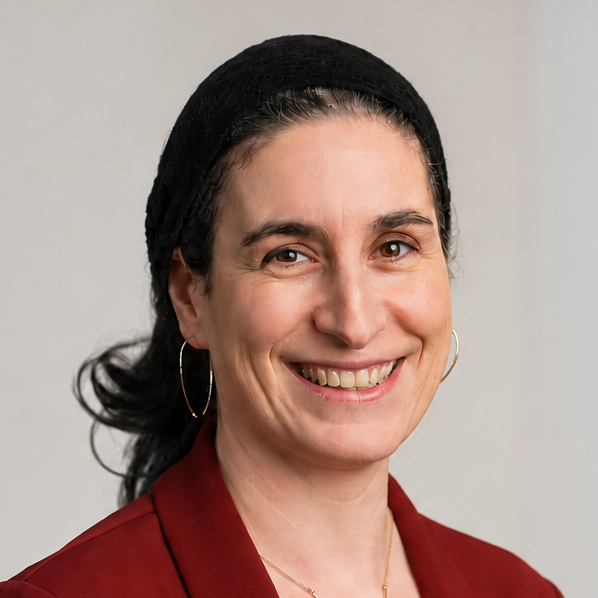
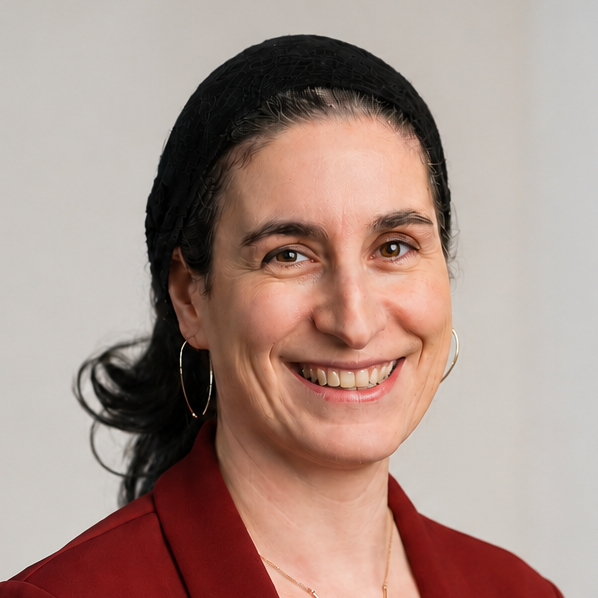
Cara Kaiserman, LCSW brings almost 20 years of experience working with children, adolescents, and families across community mental health, educational, and nonprofit settings. As Vice President of Clinical Programs and Integration at Plena Mind Center, she focuses on helping clinical teams deliver high-quality, compassionate care while building systems that support both staff and families. Throughout her career, Cara has held leadership and direct-service roles, giving her a deep appreciation for the challenges and rewards of clinical work. She is passionate about creating environments where clinicians can grow, collaborate, and do their best work on behalf of the young people they serve. Her areas of interest include staff development, program innovation, family engagement, and translating evidence-based practices into meaningful, everyday clinical care. Before joining Plena, Cara led one of the largest child and adolescent day treatment programs in Eastern Ontario, overseeing multidisciplinary teams and helping to advance clinical quality, operational excellence, and organizational growth. She has also worked extensively as a therapist, providing evidence-based treatment to children, adolescents, and their families. Cara earned her Master of Social Work from the University of Illinois at Chicago and is a Licensed Clinical Social Worker. She is a certified trainer in Collaborative Problem Solving (CPS) and former trainer in Nonviolent Crisis Intervention (NVCI), and has received extensive training in trauma-informed approaches such as the Neurosequential Model of Therapeutics (NMT) and the ARC (Attachment, Regulation, and Competency) framework. Colleagues know her for her thoughtful leadership, practical problem-solving, and genuine commitment to supporting both patients and clinicians.