Open help menu
Live Webinar

Beyond the Basics: Recognizing Lesser-Known Presentations of OCD

|

Information

Date & Time

Description

Obsessive-Compulsive Disorder (OCD) is often associated with classic symptoms like contamination fears and checking behaviors. However, OCD can manifest in diverse and subtle ways that are frequently overlooked, leading to misdiagnosis or delayed treatment. This presentation explores these lesser-known presentations, including misophonia, olfactory reference syndrome, emotional contamination, and sensory-driven compulsions. Participants will learn how these variations differ from other conditions, identify key diagnostic markers, and apply evidence-based strategies for assessment and intervention. By broadening awareness, clinicians can improve accuracy in diagnosis and provide more effective, tailored care for individuals living with OCD.

Educational Goal

The educational goal of this workshop is to train participants in assessing various presentations of OCD in order to assist with early recognition to improve client outcomes. Assessment requires nuance. Standard screening tools may miss atypical symptoms and clinicians can learn to ask targeted questions. ERP and CBT are effective across subtypes of OCD, but interventions must be tailored to the specific obsessional theme. Early recognition improves outcomes. Awareness of these presentations can reduce stigma and prevent years of untreated distress.

Learning Objectives

Participants will be able to:

  • Identify at least two lesser-known OCD subtypes and their distinguishing features

  • Differentiate these presentations from similar disorders such as GAD, PTSD, and psychosis

  • Apply practical assessment tools and treatment approaches for non-traditional OCD symptoms

Target Audience

  • Addiction Professional
  • Counselor
  • Marriage & Family Therapist
  • Nurse
  • Physician
  • Psychologist
  • Social Worker

Presenters

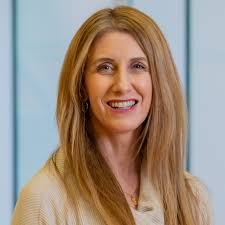
Nicole Bosse, PsyD is a staff psychologist and a member of the OCD and Anxiety team at the Lindner Center of Hope. She also serves on the Board of OCD Midwest as the Education Committee Chair. Dr. Bosse provides psychological services for outpatients and individuals staying on the two residential units, Sibcy House and William’s House. Her area of expertise consists primarily of Exposure and Response Prevention, Cognitive Behavioral Therapy, as well as Acceptance and Commitment Therapy. Dr. Bosse also implements 8-9 months of training for interested unit staff on engaging patients in their exposure homework. Dr. Bosse completed her postdoctoral fellowship in clinical psychology at the Lindner Center of Hope. At the Lindner Center of Hope, she provided individual therapy on the adult and adolescent residential unit, specifically focusing on OCD, social phobia, and other anxiety disorders. She served as a consultant regarding the treatment of OCD and educated the staff on how to implement ERP on the units. Dr. Bosse obtained her doctorate in Clinical Psychology at Xavier University in 2014. Her dissertation focused on detecting over and under reporting of symptoms on a mental health screener used in juvenile detention facilities. Dr. Bosse obtained her Master’s in Clinical Psychology at the University of Dayton in 2009. Her Master’s Thesis focused on family and personality factors that moderate the effects of thin-ideal media on body image in college students. Prior to joining the Lindner Center of Hope, she completed her APA accredited internship at the Wright State School of Professional Psychology where she worked with the severely mentally ill in a local state hospital. Her clinical experiences during doctoral training have included implementing Dialectical Behavior Therapy, conducting structured clinical interviews, performing neuropsychological evaluations, and performing individual and group therapy from a cognitive behavioral perspective. She has also served as adjunct faculty at Xavier University for several Introduction to Psychology courses.

Financially Sponsored By

  • Lindner Center of Hope