
Open help menu
Live Webinar

Between Sessions: How AI Can Support Both Clients and Therapists (A Case Study with Grief)

|

Information

Date & Time

Description

This webinar will describe how clinicians can use AI programs to provide additional support and tools for clients between sessions. Gary Katz, LCSW, will be interviewing Sarah Gwilliam who created Solace, an AI grief coach which provides support to people seeking help with their grief through a series of prompts, tools and conversations. This same type of tool can be used for anxiety, depression, addiction etc. Examples of this will be shown as well. The benefits, challenges and concerns of using AI with clients will be addressed.

Educational Goal

The educational goal of this workshop is for participants to understand how artificial intelligence (AI) can be integrated into clinical practice to enhance client support by providing tools for emotional regulation, reinforcing therapeutic skills between sessions, and facilitating the acquisition of new coping strategies to accelerate client progress, while reducing clinician burden.

Learning Objectives

Participants will be able to:

  • Recognize how AI based coaching and tools have the potential to provide additional support to their clients

  • Weigh the benefits and concerns of incorporating AI coaching into supporting their clients

  • Gain an understanding of what AI coaching is and how it works and can work with clients and clinicians.

  • Discover how to integrate an AI coach into their clinical practice

Target Audience

  • Addiction Professional
  • Counselor
  • Marriage & Family Therapist
  • Psychologist
  • Social Worker

Presenters

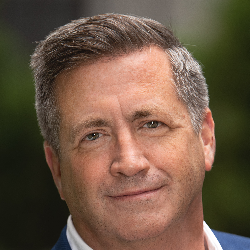
Gary Katz is a psychotherapist and founded The Center for Intimacy Recovery in New York which focuses primarily on intimacy and relationships. He has found that without a sense of intimacy with oneself, people can’t fully experience intimacy with someone else. Our hearts are fragile, so we develop strategies to keep them safe and avoid getting hurt. Often these strategies later become maladaptive and stop serving us or they hold us back from achieving the connection and intimacy we are seeking. These get labeled as alcoholism or substance abuse disorder, sex addiction, eating disorders, codependency, people pleasing, etc but those are just various stops on a much bigger ride - the ride of intimacy and connection with yourself and then others. The Center for Intimacy Recovery helps clients find ways to have the intimacy and connection in life that they are seeking and to uncover all the ways that they have learned to play it safe and protect their hearts which at times can get in the way of intimacy. Prior to opening this practice, Gary worked in education for over 20 years as a rabbi. To gain a better understanding around healthy sexuality and treatment for compulsive and destructive sexual behaviors and the trauma created through intimate betrayal, Gary became a member of the American Association of Sexuality Educators, Counselors and Therapists and has studied at the Modern Sex Therapy Institute. He is also a member of the International Institute of Trauma and Addiction Professionals where he became a Certified Sex Addiction Therapist and a Certified Partner Trauma Therapist.  Searching for ways to do deeper work with clients and to contact trauma and feelings stored in the body, Gary has studied Sensorimotor Psychotherapy, Accelerated Experiential Dynamic Psychotherapy, and EMDR.
Sarah Gwilliam is a grief coach, communications leader, and founder of Solace, a modern grief-support platform built to help people engage with grief anytime, anywhere—with tools rooted in reflection, witnessing, and meaning-making. Through thousands of grief conversations and her facilitation of the Together in Grief workshop series, Sarah has become a contemporary voice helping people articulate and integrate loss in daily life. Before founding Solace, Sarah spent 15+ years working at the intersection of corporate social impact and organizational culture. She now brings that systems perspective to modern grief, exploring questions of AI and mental health, and technology and support,.

Financially Sponsored By

  • Center for Intimacy Recovery