Open help menu
Live Webinar In Person
Next Level: Exploring Options Beyond Outpatient Care

Back to the Future: Narrative Formulation as a Therapeutic Bridge Between Developmental Adaptation and Psychological Change

|

Pricing

Information

Date & Time

Learning Objectives

Participants will be able to:

  • Explain how developmental history, personality structure, relational patterns, trauma, and sociocultural context can contribute to the development and persistence of psychiatric symptoms.

  • Describe the process for how to formulate a coherent clinical narrative that integrates assessment findings with past adaptations, present difficulties, and future possibilities for psychological change.

Educational Goal

The educational goal of this workshop is for participants to explain how developmental history, personality structure, relational patterns, trauma, and sociocultural context can contribute to the development and persistence of psychiatric symptoms. Participants will also learn the process for how to formulate a coherent clinical narrative that integrates assessment findings with past adaptations, present difficulties, and future possibilities for psychological change.

Description

This course examines narrative formulation as a therapeutic bridge between comprehensive psychiatric assessment and meaningful psychological change. Drawing on psychodynamic theory, narrative medicine, and contemporary case formulation, it explores how clinicians can integrate diagnostic data with developmental history, personality structure, relational patterns, trauma, and cultural context to explain not only what is wrong, but why symptoms developed. Using a residential case example, the course introduces “telescoping backward and forward,” linking past adaptations to present suffering and future possibilities. Participants will consider how coherent narrative formulation can reduce shame, strengthen reflective functioning, deepen treatment engagement, and help patients reclaim authorship of their lives.

Target Audience

  • Addiction Professional
  • Counselor
  • Marriage & Family Therapist
  • Psychologist
  • Social Worker

Presenters

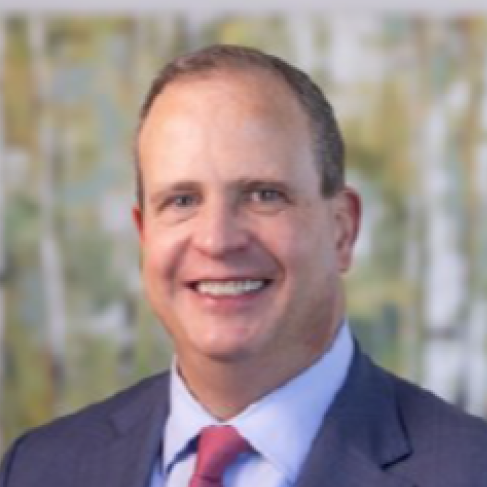
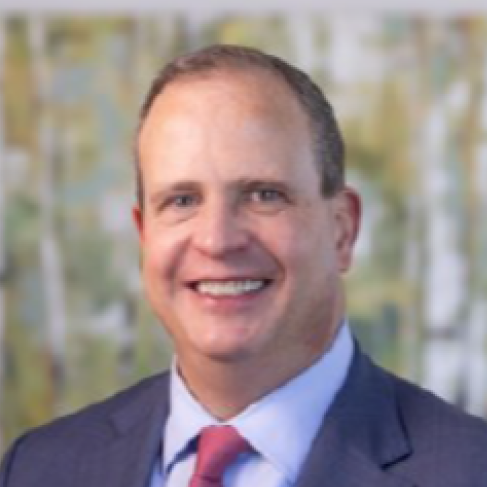
Michael Groat, PhD, president and CEO of the Lindner Center of Hope, has a 18-year career of leadership in nationally ranked hospital, residential, and outpatient treatment programs that provide evidence-based treatment services for adolescents and adults. He is the former CEO of CooperRiis, and was the Chief Clinical Officer of Silver Hill Hospital. He also previously served as Director of Adult Services at the Menninger Clinic, and directed the Menninger Professionals and Executives Program. Dr. Groat completed a four-year postdoctoral fellowship in the treatment of treatment refractory personality disorders and other mental disorders at the Austen Riggs Center. He is Associate Clinical Professor of Psychiatry and Behavioral Neuroscience at the University of Cincinnati College of Medicine. Dr. Groat has lectured widely on topics related to psychotherapeutic treatments, acute and intermediate levels of care, suicide prevention, personality assessment, the loneliness epidemic and recovery.
Dr. Brandi, Medical Director of Sibcy House, staff psychiatrist and psychoanalyst at Lindner Center of Hope, Assistant Psychiatric Clerkship Director of Department of Psychiatry and Behavioral Neuroscience and Psychotherapy Curriculum Director, Psychiatry Residency Program at University of Cincinnati College of Medicine. She works both at Sibcy House diagnostic assessment-treatment readiness program for adults and outpatient services for adolescents and adults.

Financially Sponsored By

  • Yellowbrick