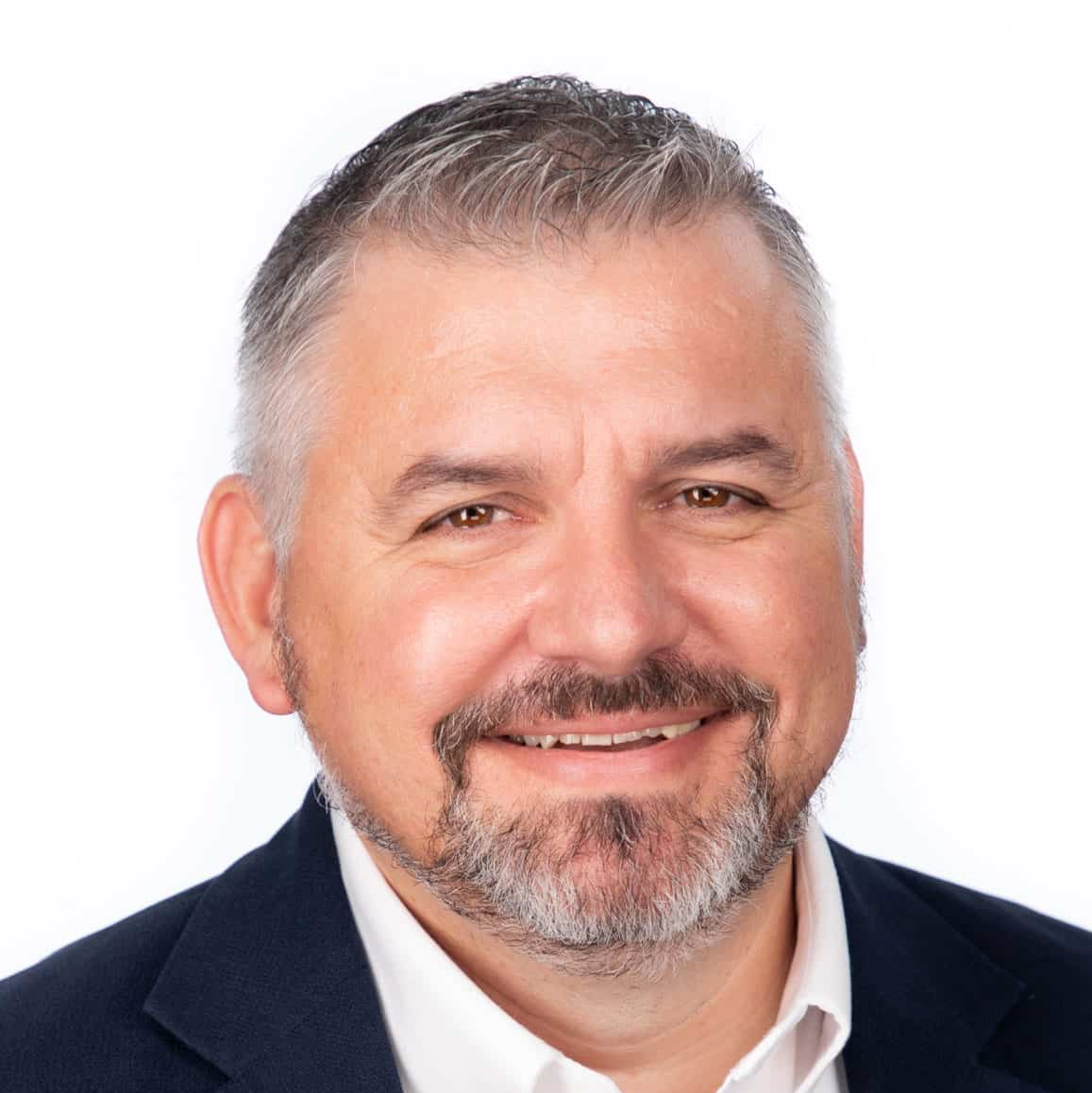
Dr. John Dyben is a nationally recognized clinical executive, educator, and therapist with more than 25 years of experience in behavioral health and addiction treatment. He currently serves as Chief Clinical Officer for the Hanley Foundation, where he leads the design and implementation of innovative clinical programming, research initiatives, and professional education to ensure the highest standards of evidence-based care. Known for his ability to bridge science, ethics, and spirituality, John brings a uniquely holistic voice to the field of behavioral health.
John’s academic training includes a Doctor of Health Science (DHSc) from Nova Southeastern University as well as master’s degrees in Marriage and Family Therapy (MAMFT), Conflict Management (MA), and Business Management (MS). John is a Licensed Marriage and Family Therapist (LMFT) and a Master Level Certified Addiction Professional (MCAP).
A frequent author and public speaker, John has contributed to professional publications including Counselor, Social Work Today, and Today’s Geriatric Medicine. John speaks regularly to national audiences on a wide range of topics related to ethics, mental health, and spirituality and has presented lectures at Fordham University, the University of Texas, and the University of North Carolina.
Beyond his executive and clinical work, John is deeply committed to teaching and mentorship. He served for more than a decade as adjunct faculty in Human Services at Palm Beach State College and has trained countless professionals in ethics, clinical practice, and integrated models of care.
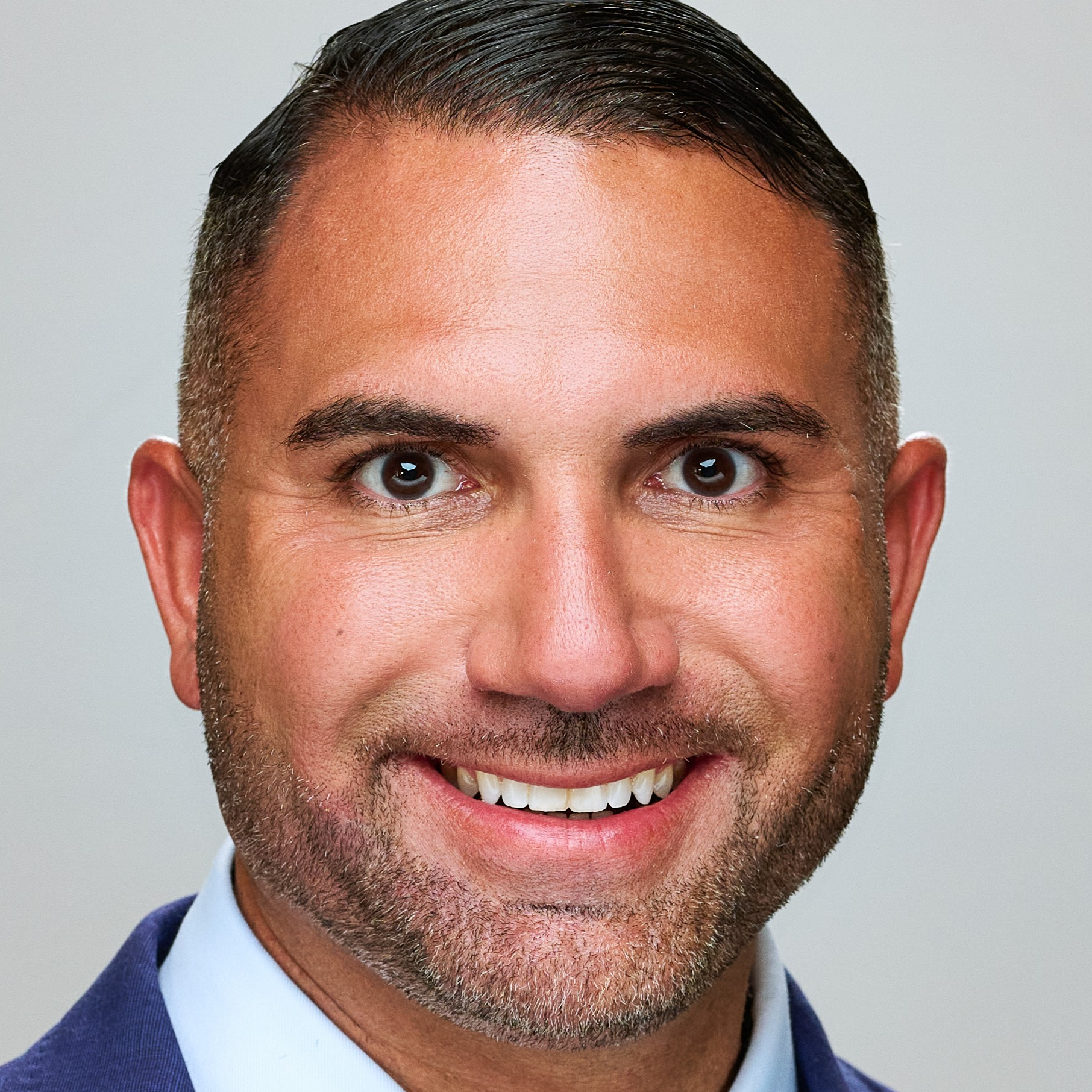
Dr. Angelo Asheh is a double board-certified physician specializing in addiction medicine, mental health, and preventive medicine. He trained at leading institutions, including Yale University, the University of California, San Diego, UC Irvine, Loma Linda University, UConn, and Lenox Hill Hospital in New York City. He currently serves as Chief Medical Officer at the acclaimed Hanley Foundation and has held lead clinician roles at several world-renowned treatment centers, including Caron Foundation and Kaiser Permanente. Dr. Asheh is also committed to academic medicine, with teaching appointments at the University of California San Diego School of Medicine and the Charles E. Schmidt College of Medicine at Florida Atlantic University. In addition, he is a REACH Scholar alumnus through the American Academy of Addiction Psychiatry and Yale University. He has published original research on childhood trauma and is a huge advocate of trauma informed care.
Dr. Asheh is dedicated to treating individuals with substance use disorders, mental health conditions, and chronic pain. He focuses on treating the underlying causes i.e. depression, anxiety, ADHD, PTSD, and pain. He takes a whole-person approach to treatment, addressing the physical, emotional, spiritual, and social aspects of each patient’s health. Dr. Asheh emphasizes a holistic care model that integrates lifestyle optimization, including sleep, nutrition, and exercise, with medication management and mindfulness practices. He is dedicated to offering evidence-based, cutting-edge treatments, with training and experience in ketamine therapy, transcranial magnetic stimulation (TMS), and other interventional approaches.