


Open help menu
Live Webinar

Advanced Somatic Certificate: The Body in Grief - Why Traumatic Loss Requires More Than Talk Therapy

, + 9 additional dates

Pricing

Information

Description

This course provides an experiential, evidence-informed exploration of grief including traumatic grief and burnout, with attention to how these experiences impact both the brain and the body.

Participants will review key grief theories and relevant neuroscience to deepen understanding of how loss, chronic stress, and trauma influence the nervous system, emotional regulation, and clinical engagement.

The training introduces accessible, body-based strategies to support regulation and resilience, including breath-based practices, bilateral movement, and awareness of patterns of tension and release. These approaches are designed to complement existing clinical skills and can be integrated into a range of professional settings without requiring specialized equipment or extended time.

Participants will engage in experiential exercises to enhance self-awareness and apply concepts in real time, while maintaining appropriate professional boundaries. The course also incorporates creative and reflective practices to support meaning-making and connection in the context of grief work.

Grounded in ethical practice and cultural responsiveness, this training emphasizes practical application for clinicians, educators, and helping professionals. Participants will leave with concrete, evidence-informed tools to support both client care and provider well-being, with the goal of enhancing regulation, resilience, and relational connection across diverse populations.

Early-Bird Course Registrationa $100 savings ends June 21st

• Early-Bird Course Registration (CEs included) $639.00

• CSU and Affiliates $589

• Early-Bird Course Registration (CEs NOT Included) $489.00

Regular Course pricing (effective June 22)

• Course Registration (CEs included) $739.00

• CSU and Affiliates $739.00

• Course Registration (CEs NOT Included) $589.00

Date & Time

Learning Objectives

Participants will be able to:

  • Articulate grief as a biopsychosocial and embodied experience.

  • Differentiate grief, traumatic grief, and burnout without pathologizing.

  • Explain the neuroscience of grief, memory, and stress response.

  • Describe polyvagal theory and vagus nerve pathways.

  • Apply the Window of Tolerance to assess regulation and dysregulation.

  • Demonstrate introductory vagal regulation practices.

  • Explain attachment patterns and their influence on grief.

  • Describe grief across the lifespan.

  • Adapt grief-informed approaches for neurodivergent populations.

  • Apply bilateral movement and pendulation for regulation.

  • Conceptualize grief within social justice and collective contexts.

  • Demonstrate grief-informed communication strategies.

  • Integrate somatic frameworks ethically into professional roles.

  • Reflect on professional sustainability and burnout prevention.

  • Synthesize learning into applied professional insight.

  • Analyze how traumatic loss influences autonomic nervous system functioning and stress physiology.

  • Identify common somatic manifestations of grief and traumatic stress in individuals and communities.

  • Apply evidence-informed somatic regulation strategies to support stabilization and emotional processing in grief contexts.

  • Evaluate the role of relational safety and co-regulation in supporting individuals experiencing grief and traumatic loss.

  • Develop grief-informed strategies that support meaning-making, connection, and adaptive integration following loss.

Educational Goal

Participants will deepen their understanding of grief as an embodied biopsychosocial experience influenced by nervous system responses to loss. The training strengthens clinicians’ ability to integrate somatic, polyvagal-informed practices into their work, enhancing their capacity to support regulation, resilience, and compassionate care for individuals experiencing grief.

Target Audience

  • Addiction Professional
  • Counselor
  • Marriage & Family Therapist
  • Social Worker

Presenters

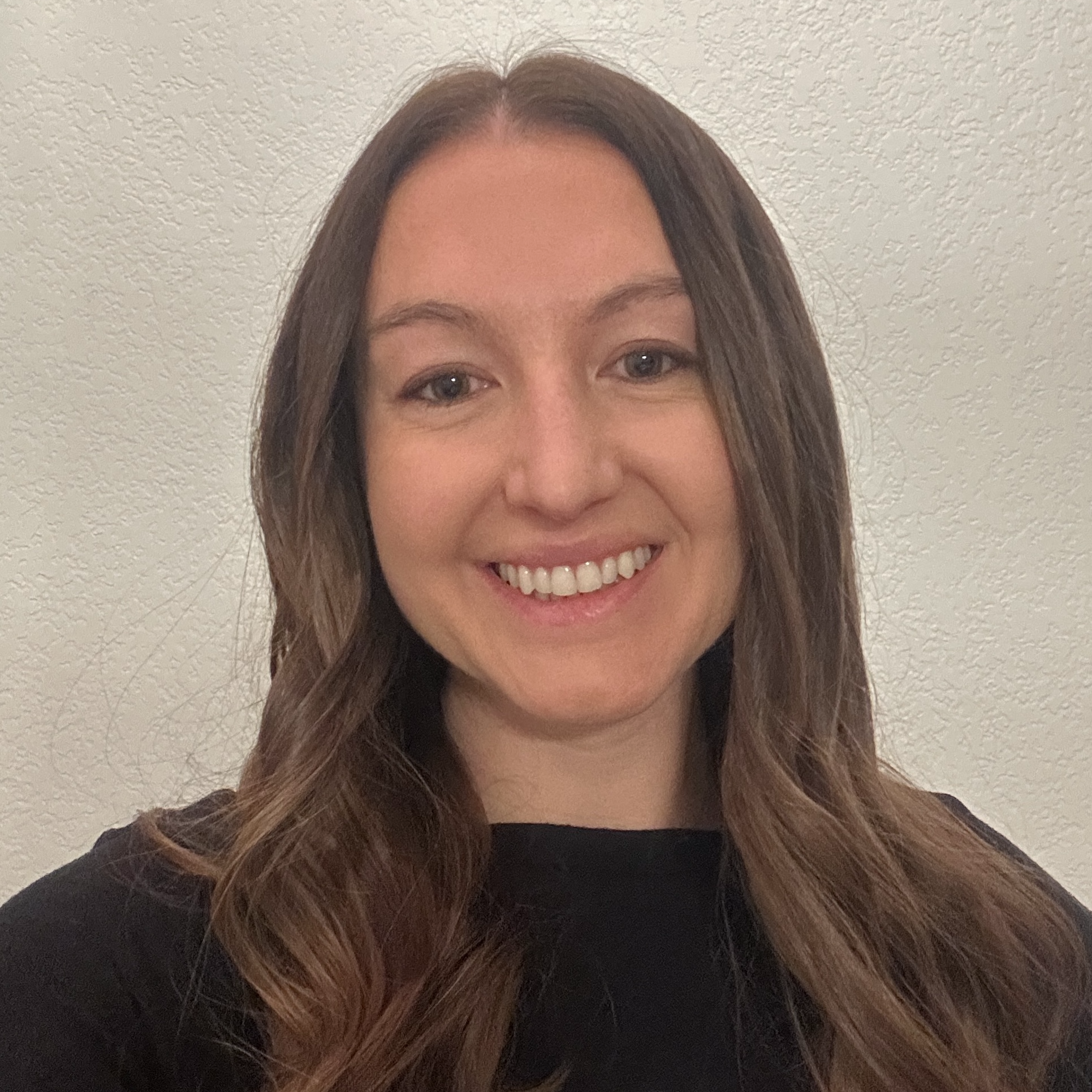
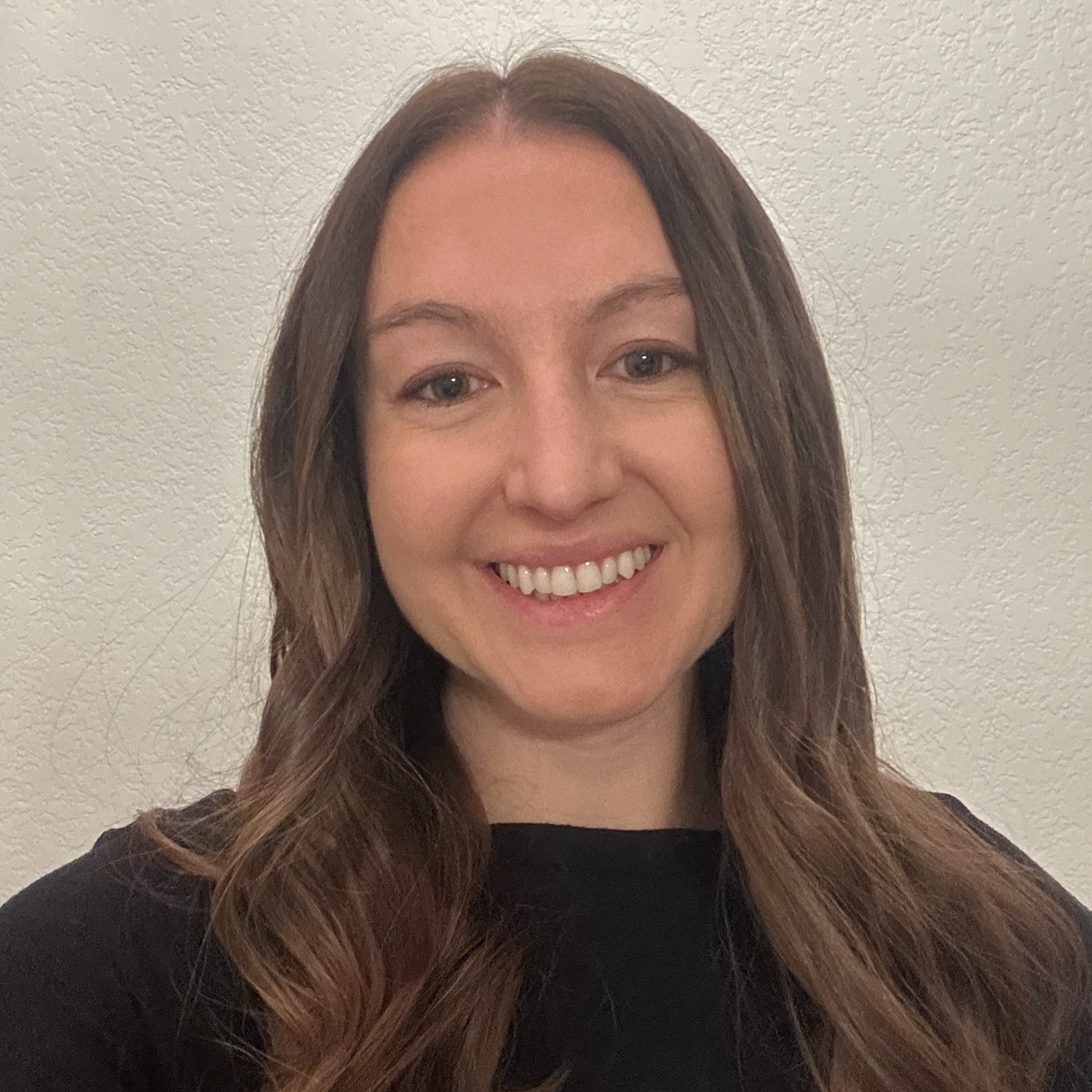
Alex Ament, PhD, BCBA, RYT-200 is a licensed psychologist who specializes in supporting neurodivergent youth experiencing mental health challenges, including grief and trauma. She has experience working in hospital, school, and private-practice settings, where she strongly believes in integrating movement and somatic tools. This extends into her love for teaching and practicing yoga as a way to strengthen the mind-body connection and build self-awareness.
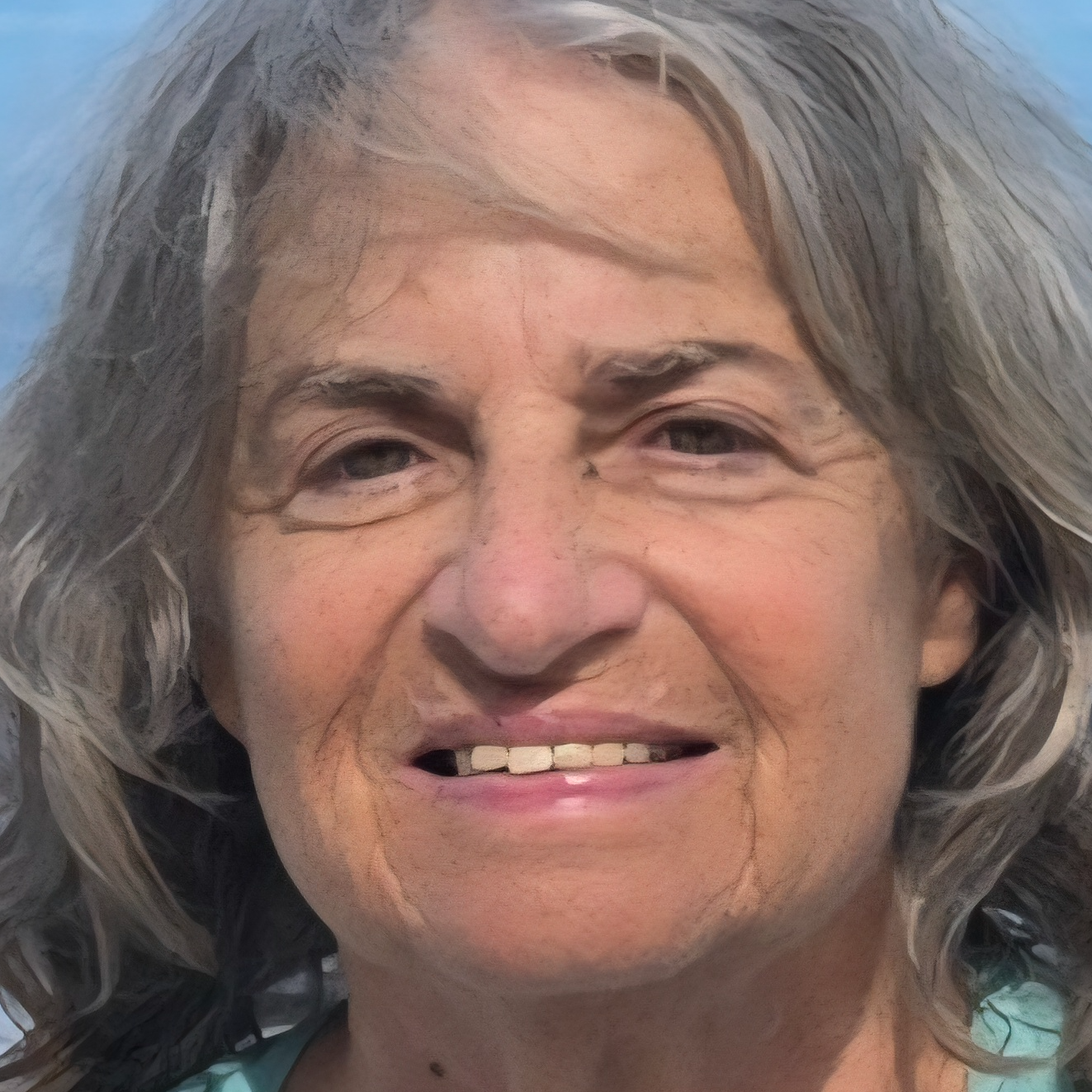
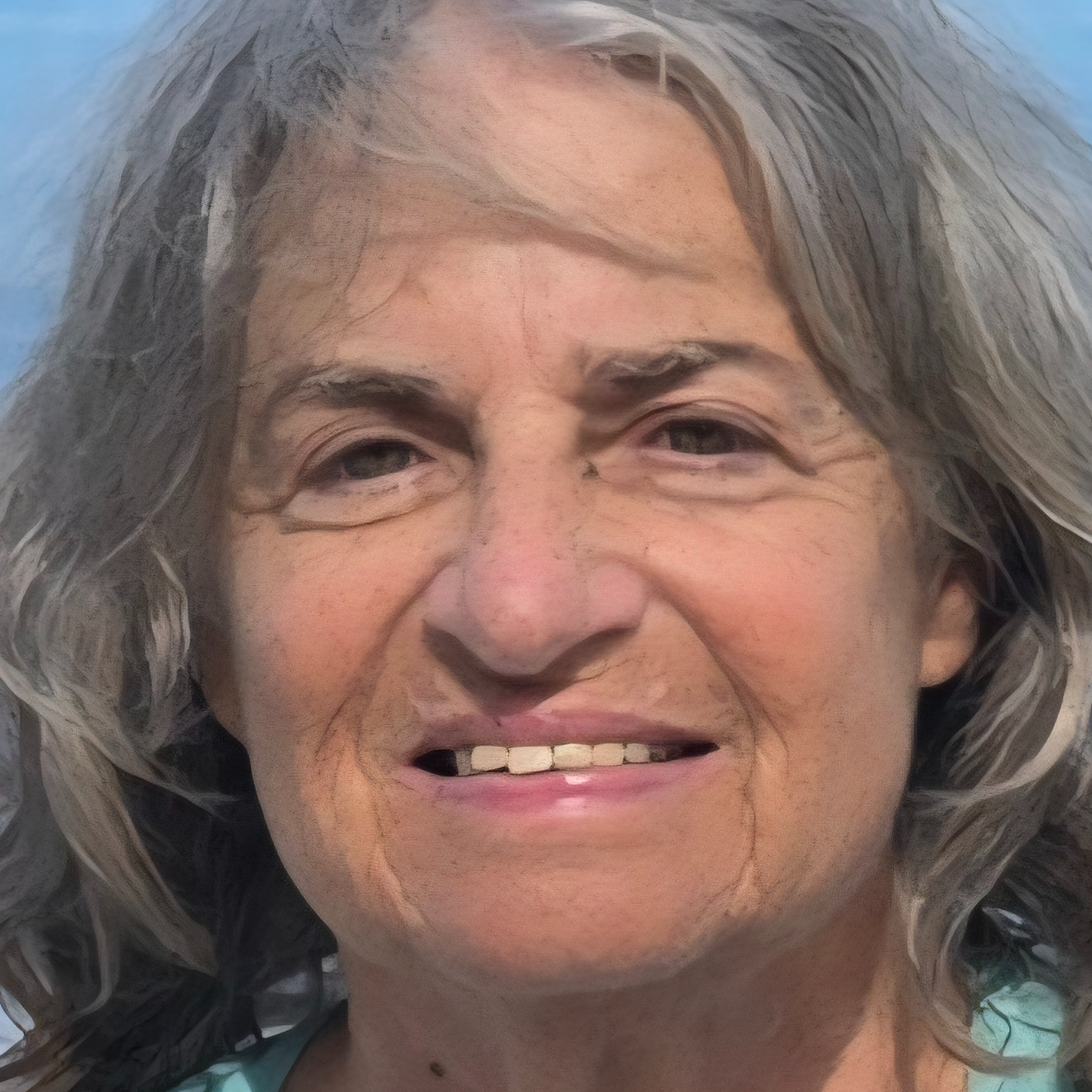
Joann Lutz, MSW, LICSW, C-IAYT, E-RYT, YACEP, trainer, author, psychotherapist, and yoga therapist/teacher, is the creator of Autonomic Yoga, a nervous-system informed, trauma-sensitive yoga approach to mental health care. Her book, Trauma Healing in the Yoga Zone, is being praised by international leaders in yoga therapy and trauma studies. In it, she describes and applies the Nervous System-Informed, Trauma-Sensitive Yoga model of care (NITYA). She is also the author of a NASW CE course, "Bringing Yoga into Social Work Practice," and the paper, "Classical Yoga Postures as a Psychotherapeutic Intervention for Autonomic Nervous System Regulation." published in "Proceedings of the Yoga and Psyche Conference, 2014," published by Cambridge Scholars Joann has been practicing yoga since 1970, and teaching it since 1980. She has been licensed as a Clinical Social Worker since 1991 and Certified as a Yoga Therapist since 2016. Joann, trainer, author, psychotherapist, and yoga therapist/teacher, is the creator of Autonomic Yoga, a nervous-system informed, trauma-sensitive yoga approach to mental health care. Her book, Trauma Healing in the Yoga Zone, is being praised by international leaders in yoga therapy and trauma studies. In it, she describes and applies the Nervous System-Informed, Trauma-Sensitive Yoga model of care (NITYA). She is also the author of a NASW CE course, "Bringing Yoga into Social Work Practice," and the paper, "Classical Yoga Postures as a Psychotherapeutic Intervention for Autonomic Nervous System Regulation." published in "Proceedings of the Yoga and Psyche Conference, 2014," published by Cambridge Scholars . Joann has been practicing yoga since 1970, and teaching it since 1980. She has been licensed as a Clinical Social Worker since 1991 and Certified as a Yoga Therapist since 2016.
Katie Mattei , Psy.D. is a licensed Clinical Psychologist with over 30 years of expertise in treating children and families affected by trauma, burn injuries, child loss, and developmental challenges, as well as adolescents struggling with anxiety and depression. She completed specialized training in Infant Attachment at Columbia University and earned her Doctorate from the University of Denver. Dr. Mattei serves as a medical staff provider at Children's Hospital Colorado and maintains a thriving private practice in Denver. She also consults for several Denver Metro schools and is a nationally recognized speaker on grief, child development, and burn injury prevention. Her book, An Ocean of Grief, provides guidance for parents navigating the profound loss of a child. For the past decade, Dr. Mattei has focused on somatic healing, burnout prevention, and trauma recovery, particularly among healthcare providers, first responders, and other high-stress professionals. She integrates evidence-based approaches to enhance well-being, resilience, and the mind-body connection. Committed to supporting professionals in high-pressure fields, she provides practical strategies to mitigate stress, prevent burnout, and promote both personal and professional sustainability.
Amy Pickett-Williams, LCSW, RYT is a licensed clinical social worker, yoga teacher, and founder of LIGHT Movement (Love In Grief Held Together), a nonprofit organization dedicated to bringing somatic approaches to grief support and education. With more than 25 years of experience as a psychotherapist specializing in grief and trauma, Amy has worked extensively with families experiencing the death of a child, as well as individuals navigating complex losses including illness, infertility, injury, relationship loss, and loss of identity. Amy’s work bridges psychotherapy and embodied practice. Drawing on contemporary neuroscience, polyvagal theory, attachment theory, and yoga-based somatic practices, she teaches individuals and professionals how grief and trauma manifest in the nervous system and how movement, breath, and sensory awareness can support regulation and integration. Through LIGHT Movement, Amy leads trainings, workshops, and community programs that reach thousands of participants. Her work focuses on helping people understand that grief is not only a psychological experience but also a deeply embodied one, and that healing requires approaches that engage both the mind and the body. Amy provides continuing education trainings for mental health professionals, healthcare providers, chaplains, educators, and community leaders. Her work centers on creating compassionate spaces where grief can be understood, supported, and integrated within community.
Jeni Rinner (PhD, MEd) is a dynamic program manager, designer, and facilitator with a rich background in education, driven by a passion for innovation and collaboration in service of organizational success. With a strong commitment to fostering diverse, high-performing teams, Jeni brings a unique blend of academic expertise and practical experience to every project. With a PhD in literature and poetry from the University of Oregon, Jeni possesses a deep understanding of storytelling and narrative, which infuses her approach to design and program management with creativity and depth. Complemented by a MA in Digital Media Studies at the University of Denver, Jeni is equipped with the technical skills and digital literacy necessary to thrive in today’s rapidly evolving technological landscape. An award-winning educator, Jeni is driven by a love for building engaging learning experiences that empower all learners to reach their full potential. She holds a MEd in Language Arts Education and a BA in Liberal Studies from the University of Notre Dame. This interdisciplinary foundation equips Jeni with a holistic understanding of education and human development, informing her ability to craft engaging, impactful, and outcome-driven learning experiences. With experience spanning higher education, K-12 education, and nonprofit sectors, Jeni brings skills in program management, curriculum design, and strategic planning. She thrives in environments where innovation is encouraged and collaboration is valued, leveraging her expertise to develop initiatives that drive meaningful change. Whether designing curriculum, leading teams, or implementing strategic initiatives, Jeni is dedicated to creating environments where creativity, diversity, and excellence thrive.

Financially Sponsored By

  • LIGHT Movement